Dark Spots vs Pigmentation vs Melasma: Which Pigmentation Treatment Skincare Routine Should You Follow?
Learn the difference between dark spots, pigmentation, and melasma. Discover causes, dermatologist-recommended treatments, ingredients, and skincare tips.
By EMM Editors · 2026-07-18
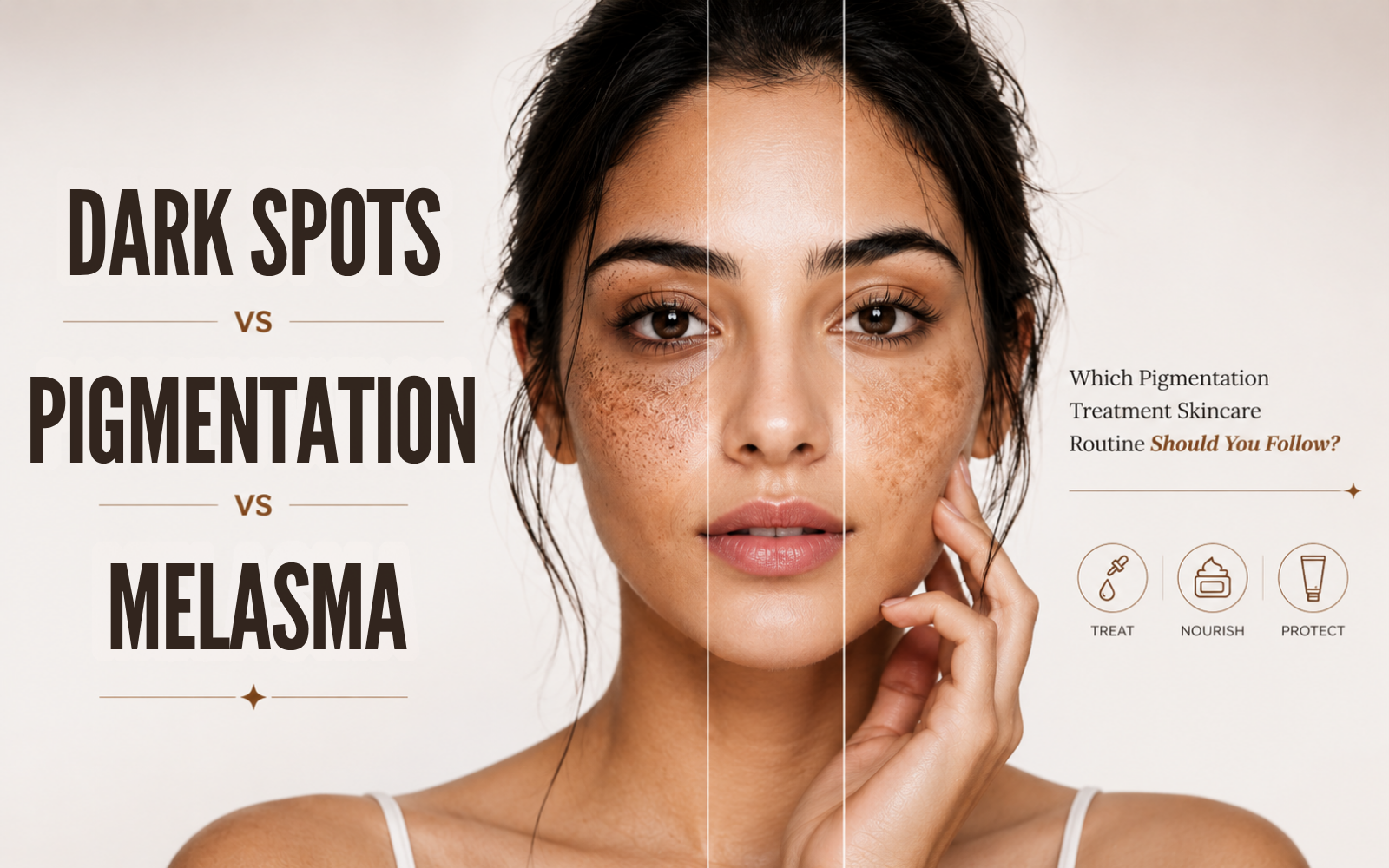
You notice a dark patch on your cheek and start searching for ways to remove it. Within minutes, you're reading about pigmentation, melasma, dark spots, brightening creams, vitamin C serums, chemical peels, and home remedies.
The problem is that most people treat all pigmentation as the same condition. It isn't.
A spot left behind after acne behaves differently from a sunspot caused by years of UV exposure. Melasma, on the other hand, has hormonal and genetic influences that make it one of the most stubborn forms of pigmentation to manage.
This confusion is one of the biggest reasons people spend months trying products that never address the real cause of their skin concern.
Before choosing a cream, serum, or treatment plan, you need to understand what type of pigmentation you're dealing with.
This guide explains the difference between dark spots, pigmentation, and melasma, why pigmentation returns, which ingredients dermatologists commonly recommend, what products to avoid, and how to build an effective pigmentation treatment skincare routine based on your skin's needs.
Before You Treat Pigmentation, Know What You're Actually Treating
Pigmentation is not a skin condition by itself - it's a visible sign that your skin is producing more melanin than usual in certain areas.
Melanin is the natural pigment that gives your skin its colour and helps protect it from environmental stress, particularly ultraviolet (UV) radiation. This pigment is produced by specialised cells called melanocytes.
When the skin experiences a trigger such as sun exposure, acne, inflammation, hormonal changes, heat, or injury, melanocytes can become overactive and start producing excess melanin. Instead of distributing evenly across the skin, that extra pigment gets deposited in specific areas, creating dark spots, patches, or uneven skin tone.
The important thing to understand is that pigmentation is a response, not the root problem. A dark mark caused by acne, a sunspot caused by years of UV exposure, and melasma triggered by hormonal changes may all look similar, but they develop for very different reasons.
That's why identifying the trigger behind the pigmentation is often the first and most important step in choosing the right treatment.
Dark Spots vs Pigmentation vs Melasma: Understanding the Difference
One of the most common searches online is the difference between melasma and pigmentation.
Technically, melasma is a type of pigmentation, but it behaves differently from other pigment disorders.
1. Post-Inflammatory Hyperpigmentation (PIH)
This is the most common form of pigmentation seen after acne. When the skin becomes inflamed, melanocytes can become overstimulated and leave behind darker marks after the breakout heals.
This condition is known as post-inflammatory hyperpigmentation.
Common causes include:
Acne
Pimples
Skin irritation
Scratching
Cosmetic procedures
Eczema
How It Looks
Brown, red, or grey marks
Appears where inflammation previously existed
Flat rather than raised
Common in acne-prone skin
If your pigmentation appeared after a breakout healed, PIH is often the most likely cause.
2. Sunspots
Sunspots develop due to cumulative UV exposure over many years. Unlike acne marks, they do not require inflammation to form.
These sunspots on face are particularly common on:
Forehead
Cheeks
Nose
Temples
Hands
How They Look
Clearly defined brown spots
Usually round or oval
More common after age 30
Appear gradually over time
Sunspots are often a sign of long-term sun damage rather than an isolated skin concern.
3. Melasma
Melasma is one of the most complex pigmentation disorders dermatologists treat. It often develops due to a combination of hormonal, genetic, and environmental factors.
Common triggers include:
Pregnancy
Oral contraceptives
Hormonal fluctuations
UV exposure
Heat exposure
Family history
How It Looks
Large brown or grey-brown patches
Usually appears symmetrically
Common on cheeks, forehead, upper lip, and chin
Unlike acne marks, melasma often develops without any visible injury to the skin.
This is why melasma treatment requires a different approach from traditional dark spot treatment.
A Simple Way to Identify Your Type of Pigmentation
Before choosing a pigmentation treatment skincare routine, dermatologists often start by understanding how and when the pigmentation first appeared.
Ask yourself the following questions:
Did the dark mark develop after a pimple, acne breakout, rash, or skin injury healed?
If yes, you may be dealing with post-inflammatory hyperpigmentation (PIH), a common form of pigmentation that develops after inflammation triggers excess melanin production.
Does the pigmentation appear as larger, symmetrical patches on both cheeks, forehead, upper lip, or chin?
If yes, melasma may be a possibility, especially if the pigmentation worsens with sun exposure, heat, pregnancy, or hormonal changes.
Does it look like a well-defined brown spot in an area that receives regular sun exposure?
If yes, it may be a sunspot (solar lentigo), which develops gradually due to cumulative UV damage over time.
While these signs can provide useful clues, pigmentation conditions often overlap in appearance. Identifying the underlying cause is important because the most effective treatment for post-acne marks may not be the most effective treatment for melasma or sun-induced pigmentation.
Why Do Dark Spots Return?
One of the most common concerns dermatologists hear is, "My dark spots faded, but why did they come back?"
In many cases, the treatment worked - but the trigger that caused the pigmentation remained active. This is particularly common in conditions such as melasma, post-inflammatory hyperpigmentation, and recurrent pigmentation on the face.
Common reasons include:
Inadequate Sun Protection
Even brief daily UV exposure can reactivate melanocytes and stimulate new melanin production. This is why consistent use of a sunscreen for pigmentation remains essential, even after visible improvement.
Ongoing Acne and Skin Inflammation
Every new breakout creates an opportunity for fresh post-inflammatory hyperpigmentation. If acne remains uncontrolled, new dark marks can continue to develop.
Hormonal Influences
Hormonal fluctuations are a major contributor to melasma and can trigger recurring pigmentation despite ongoing treatment.
Heat Exposure
Many people focus on sunlight but overlook heat. Research shows that heat can worsen certain forms of pigmentation, particularly melasma, by stimulating pigment-producing cells.
Discontinuing Treatment Too Soon
Pigmentation often requires maintenance. Stopping a pigmentation treatment skincare routine immediately after seeing improvement may allow pigmentation pathways to become active again.
Understanding why dark spots return helps set realistic expectations and allows you to build a more effective long-term strategy for managing pigmentation.
The Ingredients Dermatologists Commonly Recommend for Pigmentation
Instead of shopping based on marketing claims, focus on ingredients.
For Post-Acne Marks
Look for:
Niacinamide
Vitamin C
Azelaic Acid
Kojic Acid
These ingredients help improve skin clarity and support a more even complexion.
For Sunspots
Dermatologists often recommend:
Retinoids
Vitamin C
Glycolic Acid
Alpha Hydroxy Acids
These ingredients support skin renewal and improve the appearance of existing spots.
For Melasma
Melasma often requires more targeted approaches.
Commonly recommended ingredients include:
Hydroquinone
Tranexamic Acid
Arbutin
Kojic Acid
Retinoids
Because melasma can be persistent, treatment frequently combines multiple approaches.
Vitamin C vs Hydroquinone: Which Works Better?
The debate around vitamin C vs hydroquinone is common among people trying to remove pigmentation.
The truth is that both ingredients serve different purposes.
Vitamin C
Vitamin C acts primarily as an antioxidant.
Benefits include:
Brightening dull skin
Reducing environmental stress
Supporting a more even skin tone
Helping prevent future pigmentation
It is generally suitable for long-term use.
Hydroquinone
Hydroquinone directly interferes with melanin production.
Benefits include:
Strong pigment reduction
Effective melasma management
Faster results for stubborn pigmentation
Because hydroquinone is a powerful ingredient, dermatologists typically recommend professional guidance during use.
Products and Ingredients That Can Make Pigmentation Worse
Many people focus only on treatment products. Just as important is knowing what to avoid.
Harsh Physical Scrubs
Aggressive scrubbing does not remove pigmentation faster. In fact, repeated friction can irritate the skin, trigger inflammation, and stimulate melanocytes to produce more pigment. This is particularly problematic for individuals with post-inflammatory hyperpigmentation or melasma. If your skin feels red, sensitive, or tight after exfoliating, your scrub may be doing more harm than good.
Lemon Juice and DIY Home Remedies
Natural does not always mean safe. Lemon juice is highly acidic and can disrupt the skin barrier, leading to irritation and increased sensitivity to sunlight. In some cases, it can even cause a reaction known as phytophotodermatitis, which may leave behind darker pigmentation than what you were originally trying to treat.
Over-Exfoliation
Many people believe that exfoliating more frequently will help remove dark spots faster. The reality is often the opposite. Excessive use of scrubs, exfoliating acids, or peels can weaken the skin barrier and create chronic low-grade inflammation. This inflammation can worsen uneven skin tone and make pigmentation more difficult to treat. Consistency and moderation are far more effective than aggressive exfoliation.
Steroid-Based Fairness Creams
One of the most common mistakes dermatologists encounter is the unsupervised use of fairness creams containing topical steroids. While these products may temporarily lighten the skin, prolonged use can lead to skin thinning, visible blood vessels, steroid-induced acne, and rebound pigmentation. In many cases, the pigmentation returns darker and becomes more difficult to manage once the product is stopped.
Fragrance-Heavy Brightening Products
Strong fragrances may make a product feel luxurious, but they can irritate sensitive or pigmentation-prone skin. Repeated irritation can trigger inflammation, which is one of the key drivers of excess melanin production. When choosing skincare for pigmentation, prioritise ingredients that target pigmentation rather than products that rely heavily on fragrance, colourants, or unnecessary additives.
Skipping Sunscreen While Using Pigmentation Treatments
This is perhaps the most common reason people fail to see results. Active ingredients may help reduce existing pigmentation, but without daily sunscreen for pigmentation, UV exposure continues to stimulate melanin production. Even the best dark spot treatment will struggle to deliver lasting improvement if sun protection is inconsistent.
When managing pigmentation on face, reducing irritation is often as important as using treatment products.
The Most Important Product in Any Pigmentation Treatment Skincare Routine
Many people assume the answer is a brightening cream.
In reality, it is sunscreen.
Without daily UV protection, even the most advanced pigmentation treatment can struggle to deliver lasting results.
What to Look for in a Sunscreen for Pigmentation
Choose a sunscreen that offers:
Broad-spectrum protection
SPF 30 or higher
Daily wear comfort
Reliable UVA protection
Mineral sunscreens are often preferred by dermatologists for pigmentation-prone skin because they provide broad-spectrum protection and help minimise UV-triggered pigment production.
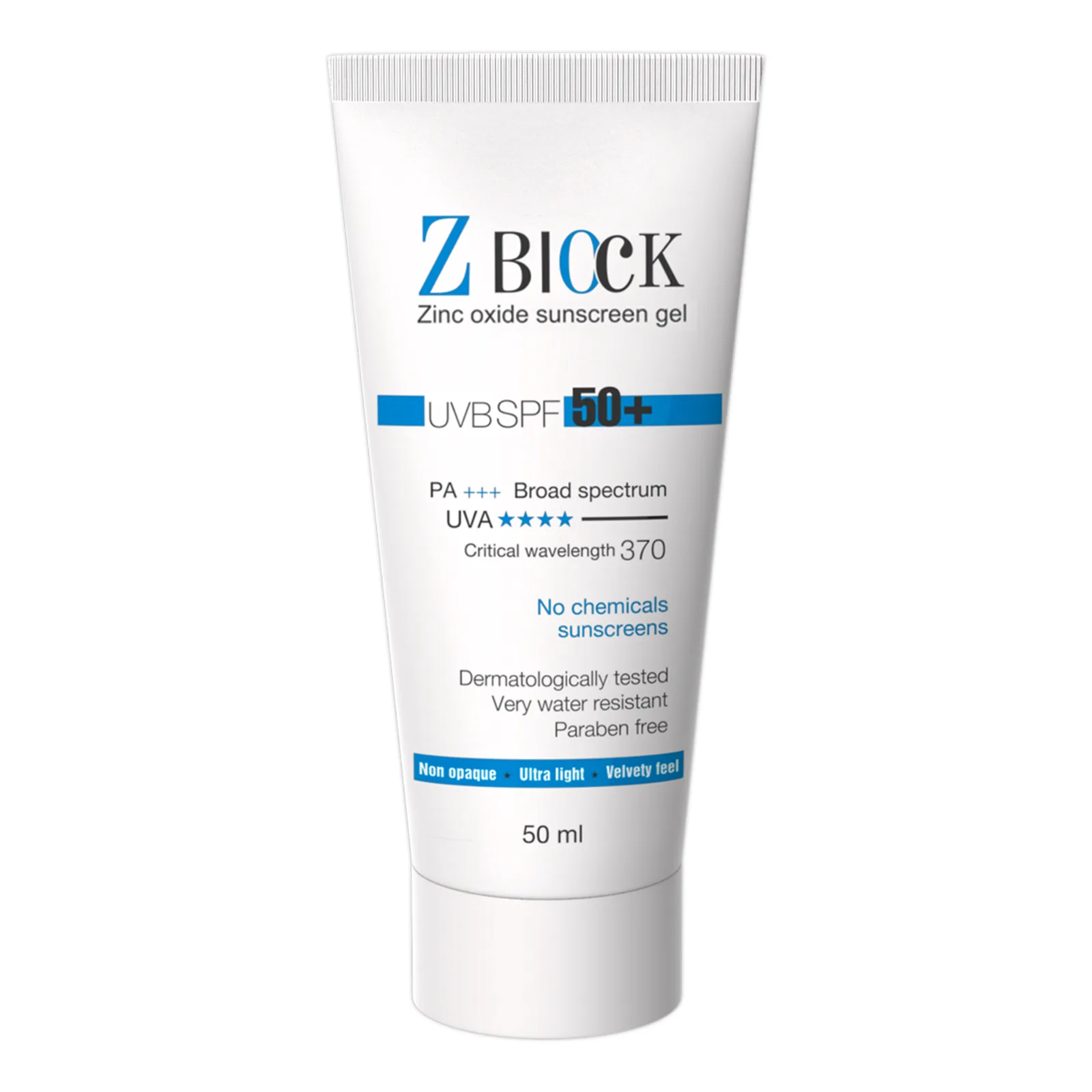
Products such as Z Block Sunscreen Gel, formulated with high-strength zinc oxide-based protection, may be incorporated into a dermatologist-guided pigmentation routine to help reduce ongoing UV-induced pigmentation triggers.
Morning Skincare Routine for Pigmentation
A morning skincare routine for pigmentation should focus on prevention and protection.
Step 1: Gentle Cleansing
Choose a cleanser that removes impurities without stripping the skin barrier.
Ingredients such as niacinamide, kojic acid, glycolic acid, and vitamin C are commonly used in brightening-focused cleansers.
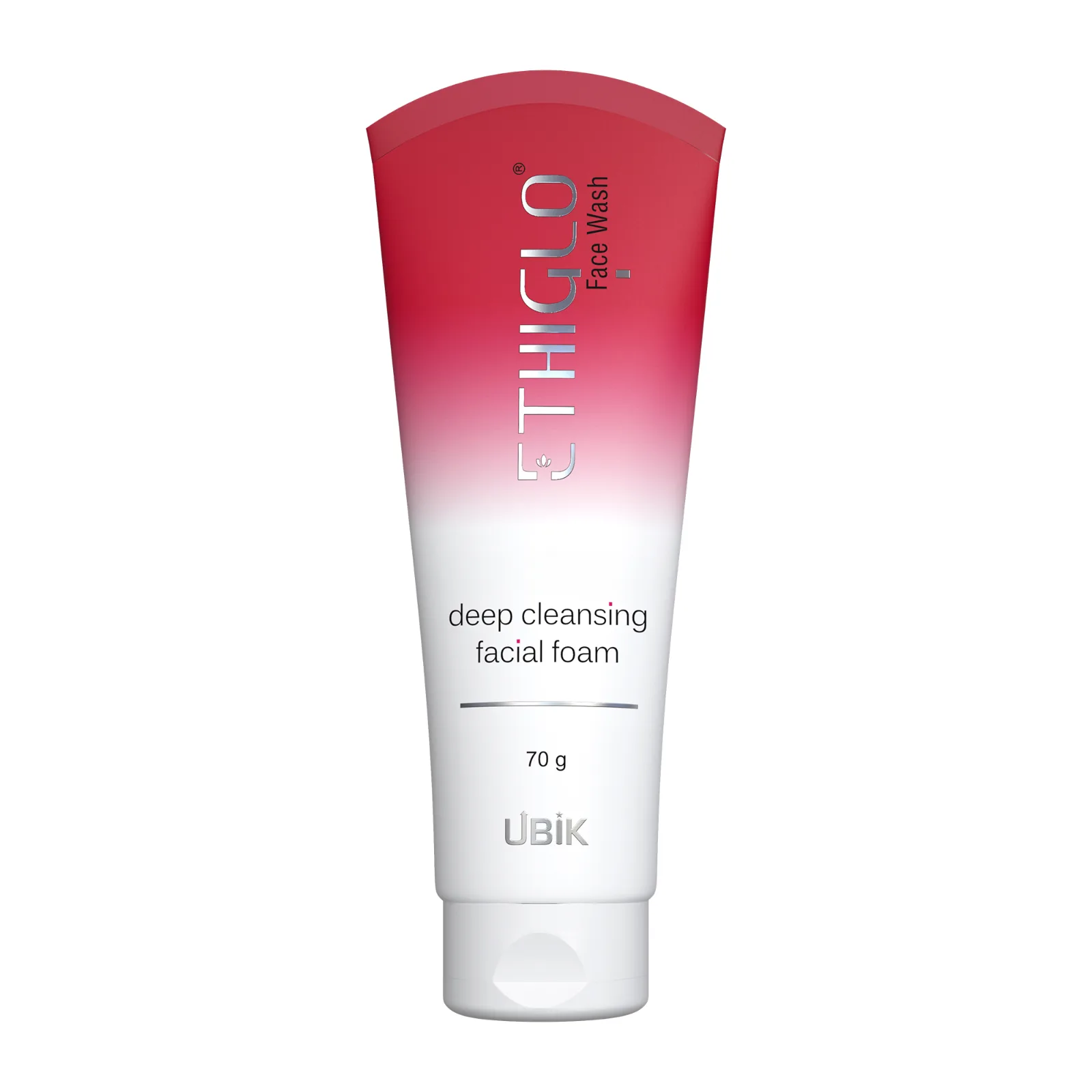
For example, Ethiglo Face Wash contains ingredients frequently used in pigmentation-focused routines and can help prepare the skin for subsequent treatment steps.
Step 2: Use Pigment-Regulating Ingredients
Look for products containing:
Vitamin C
Niacinamide
Kojic Acid
Arbutin
Step 3: Moisturise if Needed
Support the skin barrier with a lightweight moisturiser.
Step 4: Apply Sunscreen
This step is non-negotiable.
Night Skincare Routine for Pigmentation
Nighttime is when most corrective work happens.
Step 1: Cleanse Thoroughly
Remove sunscreen, pollution, and excess oil.
Step 2: Apply Pigment-Targeting Ingredients
Ingredients commonly used include:
Kojic Acid
Arbutin
Glycolic Acid
Vitamin C derivatives
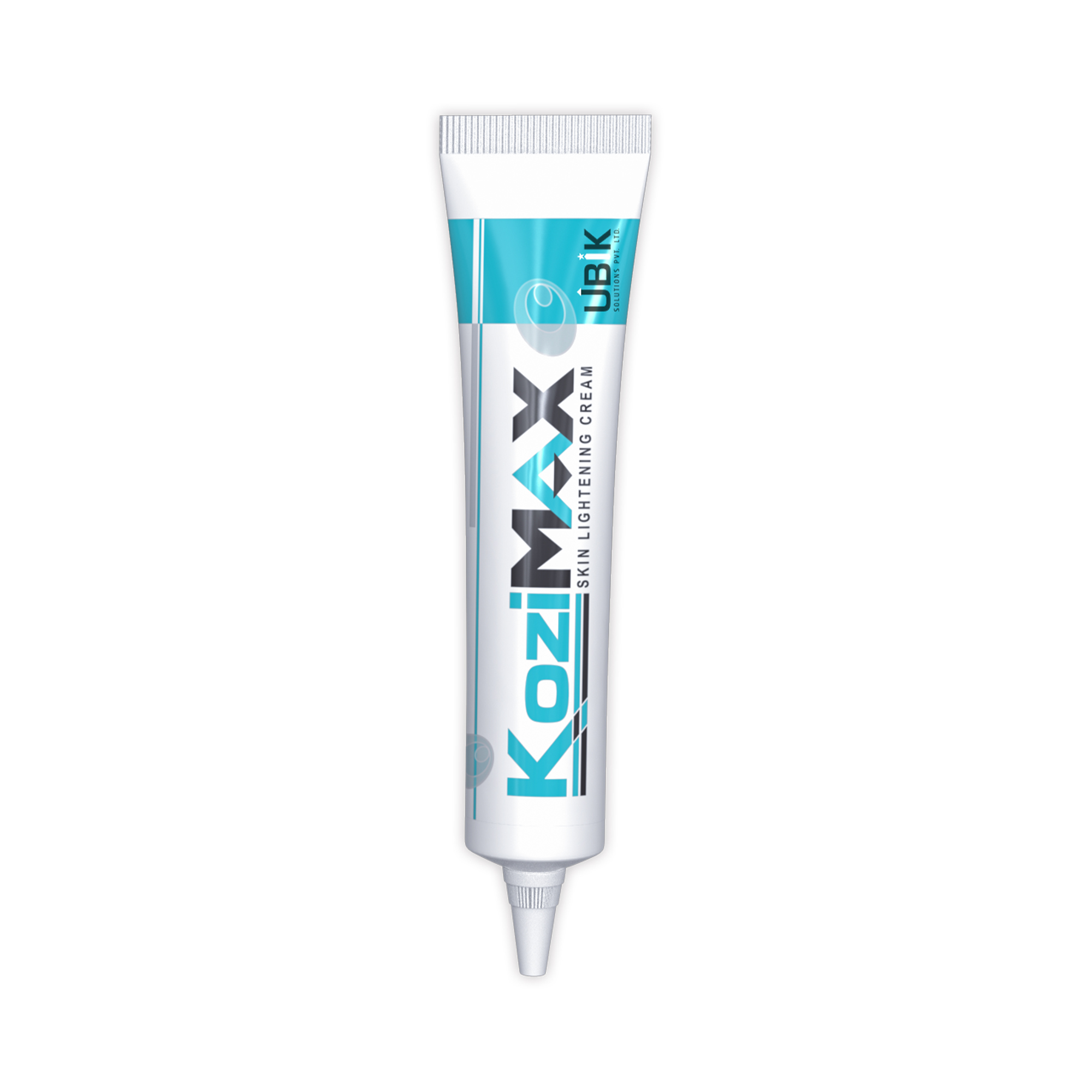
Products such as Kozimax Cream combine several of these dermatologist-recognized ingredients and may be used as part of a broader pigmentation management strategy aimed at improving uneven skin tone and visible dark spots.
Step 3: Follow Professional Advice for Stubborn Pigmentation
In some cases, dermatologists may recommend combining topical skincare with supportive therapies. However, oral supplements should complement, not replace, a structured skincare routine and sun protection strategy.
How Long Does It Take to Remove Pigmentation?
Many people searching for how to remove pigmentation expect quick results. In reality, pigmentation takes time to improve because the skin needs to gradually reduce and clear excess melanin.
Timelines vary from person to person and depend on factors such as the type of pigmentation, its depth, sun exposure, skin type, and treatment consistency.
Post-Inflammatory Hyperpigmentation (PIH)
Typically: 6–12 weeks or longer
Sunspots (Solar Lentigines)
Typically: 2–6 months
Melasma
Typically: 3–6 months or longer
Melasma often requires long-term management rather than a permanent cure, making maintenance and sun protection especially important.
The most successful pigmentation treatment skincare routine is usually the one you follow consistently. Daily sunscreen use, patience, and realistic expectations often have a greater impact on results than constantly changing products.
When Should You See a Dermatologist?
Consider professional evaluation if:
Pigmentation spreads rapidly
Home treatment isn't helping
Melasma continues worsening
New dark patches appear unexpectedly
Pigmentation significantly affects confidence
A dermatologist can identify the cause and recommend the most appropriate dermatologist treatment for pigmentation based on your skin type and condition.
Final Thoughts
If you're trying to build an effective pigmentation treatment skincare routine, the first step is understanding what type of pigmentation you're dealing with.
Post-inflammatory hyperpigmentation, sunspots, and melasma may all appear similar, but they respond differently to treatment.
For most people, successful pigmentation management includes:
Gentle cleansing
Evidence-based pigment-regulating ingredients
Consistent sun protection
Long-term maintenance
Professional guidance when necessary
Products such as Ethiglo Face Wash, Kozimax Cream, Z Block Sunscreen Gel, and supportive options like Vitinext Plus Tablet may fit into different stages of a dermatologist-guided routine, but no single product can replace a complete treatment strategy.
The most effective approach combines the right ingredients, realistic expectations, and consistent daily habits. Over time, that combination gives you the best chance of improving uneven skin tone, reducing dark spots, and managing persistent forms of pigmentation on the face.