Glutathione Serums: Benefits, Uses & How to Choose the Best Glutathione Serum for Skin
Learn how glutathione serums work for pigmentation, dullness and uneven skin tone. Discover how to choose the best glutathione serum for your skin.
By EMM Editors · 2026-08-31
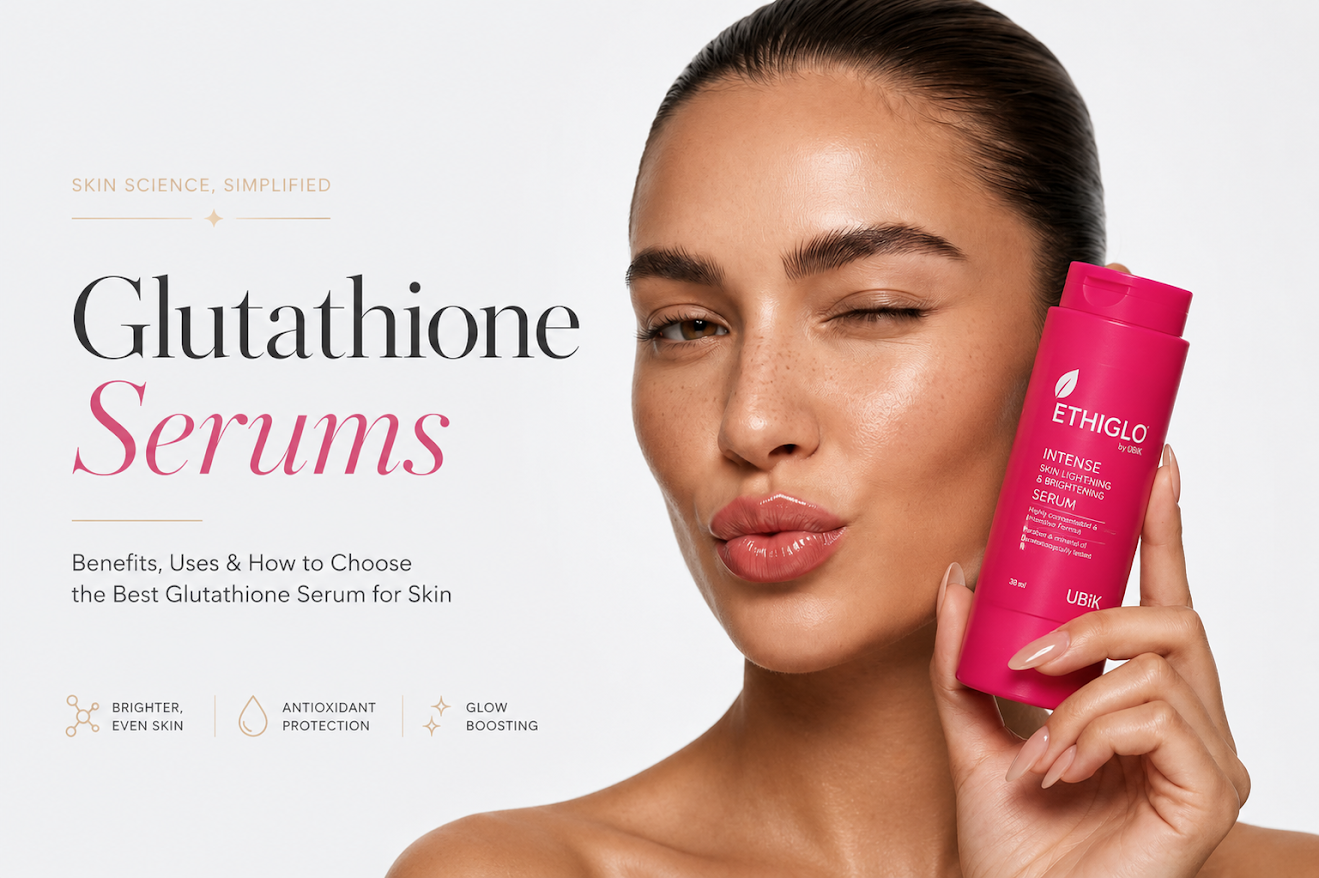
A few years ago, glutathione was mostly something you heard about in clinics or supplement conversations. Today, glutathione serums are everywhere, especially among people trying to deal with dullness, dark spots and uneven skin tone. The appeal makes sense: antioxidants are now a major part of everyday skincare, and a glutathione face serum offers a targeted way to bring that ingredient directly into your routine.
But not every glutathione serum for face is built the same way. The supporting ingredients, formulation and your actual skin concern matter just as much. So before choosing a glutathione serum for skin, let’s understand what it can realistically do - and how to choose one that makes sense for your skin.
What Is a Glutathione Face Serum?
Glutathione is a naturally occurring antioxidant produced by your body that helps protect cells from oxidative stress. It is often called the “master antioxidant” because of its important role in the body’s antioxidant defence system.
In skincare, a glutathione face serum delivers this ingredient directly to the skin as part of a targeted routine. A glutathione serum for skin may be used to support a brighter, more even-looking complexion. Simply put, a gluta serum brings antioxidant support into your everyday skincare routine.
How Glutathione Serums Work on the Skin
Glutathione is best known as an antioxidant naturally present in the body. In skincare, glutathione serums are used as part of routines designed to support a brighter, more even-looking complexion. But the real story is bigger than pigmentation alone. A good glutathione serum for skin is not simply about making skin look lighter; it is about supporting skin that looks healthier, fresher and more balanced over time.
Helping Skin Handle Oxidative Stress
Everyday skin is exposed to factors that can contribute to oxidative stress, including UV exposure, pollution and other environmental aggressors. Antioxidants such as glutathione can help support the skin’s natural defence against oxidative stress, making them valuable in a well-rounded skincare routine.
Supporting Skin Exposed to Environmental Damage
Pollution, sun exposure and daily environmental stress can leave skin looking tired and dull. This is where a glutathione face serum can fit into a routine focused on antioxidant support. It does not undo environmental damage overnight, but consistent skincare can help maintain a healthier-looking complexion.
Improving the Look of Uneven Skin Tone
Uneven tone can come from several factors, including excess pigmentation and post-inflammatory marks. Glutathione is commonly included in brightening skincare because of its role as an antioxidant and its interaction with melanin-related pathways. However, results vary, and a serum should not be treated as a guaranteed solution for every pigmentation concern.
Supporting Skin Brightness and Overall Skin Health
The goal of a glutathione serum for face should be clearer-looking, more radiant skin - not an unrealistic promise of changing your natural skin colour. With consistent use alongside basics such as moisturising and daily sun protection, glutathione can be one useful part of a thoughtful brightening routine.
7 Benefits of Using a Glutathione Serum for Face
A good glutathione serum for face is not about chasing a dramatically different skin colour. Its real value lies in supporting skin that looks brighter, more even and healthier over time. Glutathione is an antioxidant, and when used in a well-formulated topical serum, it can become a useful part of a routine focused on pigmentation, dullness and environmental stress.
Here are the benefits that make glutathione serums worth considering:
1. Brighter-Looking Skin
Dull skin often looks tired even when you have had enough sleep. Pollution, sun exposure, accumulated dead skin cells and everyday environmental stress can all affect how radiant your complexion appears.
A glutathione serum for skin can support a brighter-looking complexion as part of a consistent skincare routine. The goal is not instant “glow” after one application, but skin that gradually looks fresher and more radiant with regular care.
2. Supports a More Even Skin Tone
Uneven skin tone can make the complexion look patchy, especially when some areas have more pigmentation than others. Glutathione is used in brightening skincare because of its antioxidant properties and its role in pathways associated with melanin production.
Used consistently, a glutathione-based serum may help support a more balanced-looking complexion without promising to change your natural skin colour.
3. Helps Reduce the Appearance of Dark Spots
Dark spots can develop after acne, inflammation, sun exposure or other forms of skin stress. They rarely disappear overnight, which is why consistency matters more than constantly switching products.
A glutathione serum for face can be included in a targeted routine for improving the appearance of uneven pigmentation and post-blemish marks. For persistent or significant pigmentation, however, skincare should be chosen according to the underlying cause.
4. Provides Antioxidant Support
Your skin deals with oxidative stress every day. UV exposure, pollution and other environmental factors can generate free radicals that contribute to visible signs of skin stress.
Glutathione works as an antioxidant, helping support the skin against oxidative stress. This makes glutathione serums particularly interesting for people living in environments where pollution and sun exposure are regular parts of daily life.
5. Supports Skin After Environmental Stress
Sometimes your skin simply looks exhausted-dull after a long day outdoors, uneven after repeated sun exposure, or less fresh during periods of high pollution. A skincare routine cannot erase environmental exposure, but it can support the skin while you manage it.
A glutathione serum for skin can provide antioxidant-focused care alongside the essentials: gentle cleansing, moisturising and consistent sunscreen use.
6. Pairs Well With Other Brightening Ingredients
Glutathione does not have to work alone. Brightening routines can combine complementary ingredients selected for different roles. Depending on the formulation and your skin’s needs, ingredients such as Vitamin C, Alpha Arbutin or Niacinamide may also be used in a routine targeting dullness and uneven tone.
The important part is not collecting every brightening ingredient you can find. It is choosing a sensible combination that your skin can tolerate consistently.
7. Suitable for Most Skin Types
A well-formulated glutathione serum for face can fit into many skincare routines, including routines for people concerned about dullness, uneven tone or pigmentation. But “suitable for most skin types” does not mean every formula will suit every person.
Start slowly, follow the product instructions and patch-test when appropriate - especially if your skin is sensitive or you are already using active ingredients. If your skin becomes persistently irritated, stop and reassess rather than assuming irritation means the product is working.
Ready to Make Brightening Skincare Part of Your Routine? Your skin does not need ten complicated products. It needs the right ingredients, a routine you can actually follow, and consistency.
Explore dermatologist-trusted skincare and find a glutathione serum that fits your skin goals at E-Mega-Mart - because better skincare starts with choosing better, not simply using more.
Glutathione vs Vitamin C vs Niacinamide vs Alpha Arbutin
Choosing a brightening ingredient can get confusing quickly. One serum promises radiance, another targets pigmentation, another focuses on skin barrier health-and suddenly you are wondering whether you need all four.
The smarter approach is to understand what each ingredient actually does. Glutathione serums, Vitamin C, Niacinamide and Alpha Arbutin can all support a more even, brighter-looking complexion, but they work differently and may suit different skin concerns.
Ingredient | Main Function | Best For |
Glutathione | Antioxidant support | Dullness & overall brightness |
Vitamin C | Brightening & antioxidant protection | Tanning & environmental stress |
Niacinamide | Barrier support & tone correction | Oily and acne-prone skin |
Alpha Arbutin | Helps regulate excess pigmentation | Dark spots & uneven tone |
Glutathione: Antioxidant Support for Dull-Looking Skin
Glutathione is a naturally occurring antioxidant and is commonly used in skincare formulations focused on brightness and uneven-looking skin tone. A glutathione serum for skin can be particularly useful when dullness and overall lack of radiance are your primary concerns.
Vitamin C: Brightening With Antioxidant Protection
Vitamin C is another popular antioxidant that supports brighter-looking skin while helping the skin deal with oxidative stress caused by environmental exposure. It is often chosen for concerns such as tanning, dullness and uneven tone.
Niacinamide: Barrier Support and Tone Correction
Niacinamide, a form of Vitamin B3, has a different strength. It supports the skin barrier and can help improve the appearance of uneven tone while being especially useful in routines for oily or acne-prone skin.
Alpha Arbutin: Targeted Pigmentation Support
Alpha Arbutin is primarily valued for helping address the appearance of excess pigmentation. It can be a useful choice when dark spots and uneven pigmentation are more important concerns than general dullness.
What About a Glutathione Niacinamide Serum?
This is where ingredient combinations become interesting. A glutathione niacinamide serum can bring together antioxidant support with Niacinamide's barrier-supporting and tone-correcting benefits. Instead of expecting one ingredient to do everything, a thoughtfully formulated product can address multiple aspects of a brightening routine.
The key is still formulation, concentration, skin compatibility and consistency - not simply choosing a product because it contains the longest ingredient list. With glutathione serums, the best choice is the one that matches your actual skin concern and can comfortably become part of your everyday routine.
Who Should Use Glutathione Serums?
A glutathione serum for skin makes sense when your goal is healthier-looking, brighter and more even skin - not a completely different complexion. It can be useful for:
Dull skin that looks tired or lacks radiance
Uneven tone and visible pigmentation
Dark spots and post-acne marks
Skin regularly exposed to urban pollution and environmental stress
A glutathione serum for face is not the right choice if you expect dramatic changes to your natural skin colour. Think brightness, balance and consistency, not overnight whitening.
How to Choose the Best Glutathione Serum for Skin
Finding the best glutathione serum for skin whitening is not really about finding the product with the boldest “brightening” claim on the bottle. It is about matching the formulation to what your skin is actually struggling with.
If your main concern is dark spots, you need a different approach from someone dealing with dullness. And if your skin is oily and uneven, barrier support matters too. So before you buy a glutathione face serum, look beyond the hero ingredient and check what it is paired with.
Glutathione + Alpha Arbutin: For Pigmentation Concerns
If pigmentation is the problem you keep coming back to, a combination of glutathione and Alpha Arbutin can make sense. Glutathione provides antioxidant support, while Alpha Arbutin is used in skincare formulations focused on the appearance of excess pigmentation and dark spots.
This is where Ethiglo Skin Lightening & Brightening Serum fits naturally into the conversation. Its formulation combines:
Glutathione for antioxidant and brightening support
Alpha Arbutin for pigmentation-focused skincare
Vitamin C for additional antioxidant and brightening support
Melanostatin and Encapsulated Beta White as additional brightening-focused ingredients
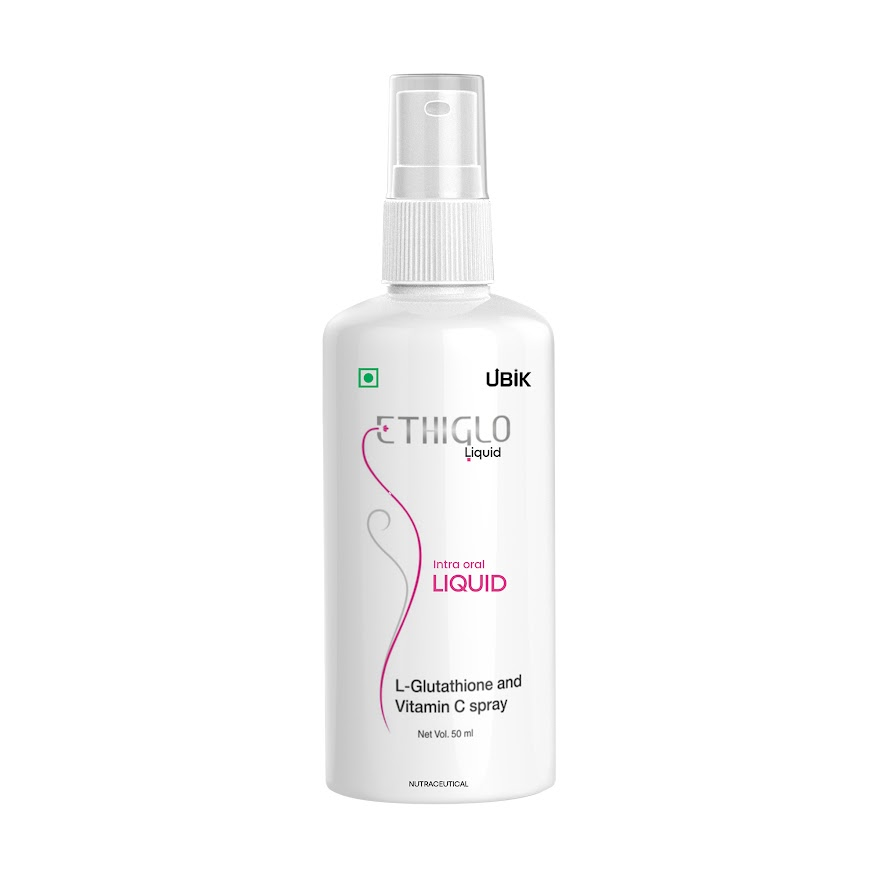
If dark spots, tanning, acne scars, or uneven-looking pigmentation are your primary concerns, this kind of multi-ingredient approach can be more practical than relying on glutathione alone.
Glutathione + Vitamin C: For Radiance and Antioxidant Support
Sometimes the problem is not one stubborn dark spot. Your entire complexion simply looks dull, tired, and less radiant than you would like.
A glutathione + Vitamin C combination is geared more towards antioxidant support and overall brightness. Epishine Plus Serum, for example, combines Vitamin C with Glutathione, making it a relevant option for routines focused on improving the appearance of dullness and supporting a more radiant-looking complexion.
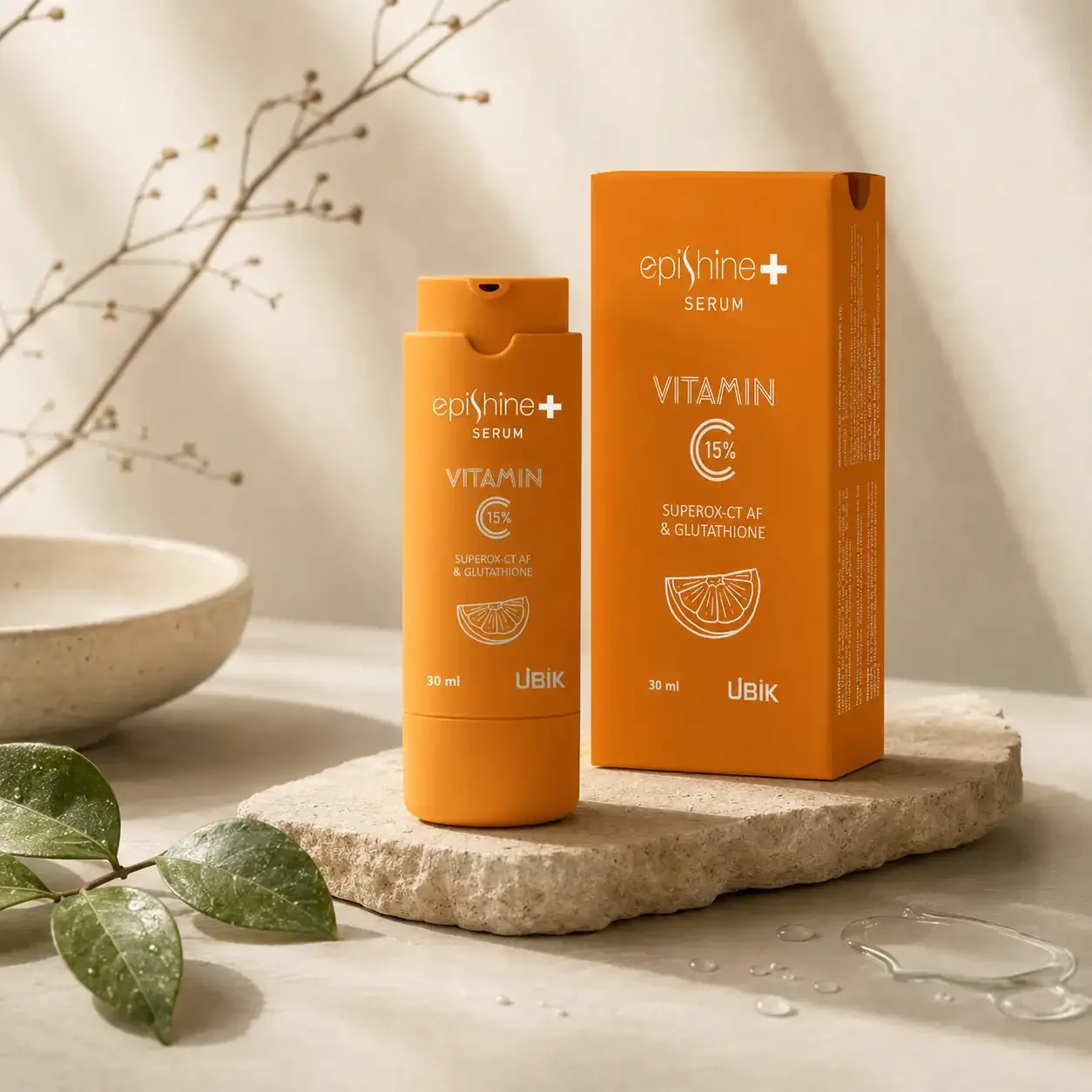
The combination is particularly appealing when you want your serum to do more than simply target pigmentation-while still keeping antioxidant support at the centre of the routine.
Glutathione + Niacinamide: For Oily and Uneven Skin
If your skin is oily, acne-prone, and uneven-looking, pigmentation may not be your only concern. Your routine also needs to respect the skin barrier and overall skin balance.
This is where a glutathione niacinamide serum can be interesting. Glutathione brings antioxidant support, while Niacinamide is known for supporting the skin barrier and improving the appearance of uneven tone. Together, they can make sense for someone looking for brightening care without making pigmentation the only focus.
So, What Is the Best Glutathione Serum for Skin Whitening?
The phrase “best glutathione serum for skin whitening” is popular in searches, but it is worth reframing what you are actually looking for.
A good glutathione serum should support brighter, more even, and healthier-looking skin. It should not promise to dramatically change your natural skin colour - and you should be cautious of products that do.
Instead, choose based on your actual concern:
Pigmentation and dark spots: Glutathione + Alpha Arbutin
Dullness and lack of radiance: Glutathione + Vitamin C
Oily, uneven-looking skin: Glutathione + Niacinamide
The smartest choice is not the serum with the longest ingredient list. It is the formulation that makes sense for your skin - and one you can use consistently without irritating it.
Common Mistakes People Make With Glutathione Serums
Buying a glutathione serum for face is easy. Using it sensibly is where the real difference lies. A good serum can support a brightening routine, but even the right product can disappoint when expectations and habits work against it.
Expecting Overnight Results
Pigmentation and uneven tone rarely appear overnight, so they should not be expected to disappear that way either. Glutathione serums need consistent use and realistic expectations. Looking for gradual improvement is far more sensible than judging a product after three applications.
Skipping Sunscreen
This is one of the biggest mistakes. If UV exposure continues without adequate protection, pigmentation can keep getting triggered while you are trying to improve it. A glutathione serum for skin should complement sunscreen - not replace it.
Using Too Many Actives
More active ingredients do not automatically mean faster results. Combining multiple strong products can overwhelm your skin, leading to irritation and making uneven tone look worse. Build your routine around a few purposeful products rather than turning your face into a chemistry experiment.
Applying It Only When You Remember
Using your serum once in a while and expecting consistent results is unrealistic. Skincare rewards routine. Apply it according to the product directions and give your skin enough time to respond before deciding whether it is working.
Choosing Products Because They Are Trending
A viral gluta serum is not automatically the right serum for your skin. Trends can tell you what is popular; they cannot tell you what your pigmentation, skin type or barrier actually needs.
Before buying, check the formulation, ingredients, usage instructions and whether the product addresses your specific concern. Good skincare is not about following the crowd - it is about making choices your skin can actually live with.
Final Thoughts
The best glutathione serums are not the ones making the biggest promises. They are the ones combining thoughtful formulations with antioxidants and ingredients that support healthier, brighter, and more even-looking skin over time. For pigmentation-focused routines, Ethiglo Serum brings a targeted combination of brightening ingredients. For overall radiance, Epishine Plus Serum combines Glutathione with Vitamin C. And for the essential cleansing step, Glutafine Face Wash helps keep your routine simple, clean, and consistent. Your skin does not need hype-it needs the right care, used consistently.
FAQs
1. Do glutathione serums work?
Glutathione serums can support brighter, more even-looking skin because glutathione provides antioxidant support and is used in formulations targeting dullness and uneven tone. However, results vary by formulation, skin concern and consistency. They should not be expected to dramatically change your natural skin colour or remove every pigmentation concern.
2. Which is better, niacinamide or glutathione?
Neither is universally “better.” Niacinamide is particularly useful for supporting the skin barrier and improving the appearance of uneven tone, while glutathione is primarily valued for antioxidant support and brightening. If your concern is oily, acne-prone or easily irritated skin, Niacinamide may be especially useful. For overall dullness and radiance, a glutathione-based routine may be worth considering.
3. Can I use glutathione serum daily?
Yes, many glutathione serums are designed for regular use, but the exact frequency depends on the product formulation and your skin's tolerance. Follow the manufacturer's directions rather than assuming that using more will produce faster results. If you are new to active skincare, starting gradually can be a sensible approach.
4. Which brand is best for glutathione?
There is no single best glutathione serum for skin whitening for everyone. The better choice depends on your skin concern, formulation, supporting ingredients, and tolerance. For example, E-Mega-Mart's Ethiglo Serum is positioned towards pigmentation-focused skincare, while Epishine Plus Serum is more suited to routines focused on brightness and antioxidant support.
5. What is a glutathione serum used for?
A glutathione serum for skin is generally used to support a brighter, more even-looking complexion. It may be included in routines targeting dullness, uneven tone, and the appearance of pigmentation. Its antioxidant properties also make it relevant to skincare routines designed to support skin exposed to everyday environmental stress.
6. Is a glutathione serum good for dark spots?
A glutathione serum for face may be useful as part of a routine targeting the appearance of dark spots, particularly when combined with other suitable brightening ingredients. However, dark spots can have different causes, including acne, UV exposure and hormonal changes. Persistent or worsening pigmentation may need professional assessment rather than relying on a serum alone.
7. Can I use glutathione serum for acne marks?
Yes, a glutathione face serum can be included in a routine for post-acne marks because of its brightening and antioxidant role. But it is important to control the acne itself and avoid excessive use of irritating actives. Treating the cause while gradually addressing leftover marks is usually more useful than aggressively layering brightening products.
8. Can I use a glutathione serum with Vitamin C?
Glutathione and Vitamin C can be used together when they are appropriately formulated. Both provide antioxidant support, while Vitamin C is also widely used for brightening and uneven tone. Products such as Vitamin C + Glutathione serums can therefore make sense for people primarily concerned with dullness and overall radiance. Always follow the specific product's usage instructions.
9. What is a glutathione niacinamide serum?
A glutathione niacinamide serum combines glutathione's antioxidant role with Niacinamide's barrier-supporting and tone-correcting benefits. This combination can be useful for someone who wants brightening care while also supporting the skin barrier. However, the quality of the overall formulation matters more than simply seeing two popular ingredients on the label.
10. Is glutathione serum suitable for all skin types?
A well-formulated glutathione serum for skin can fit into many different routines, but no skincare product is guaranteed to suit every person. Sensitive or reactive skin may require a slower introduction, particularly when the serum contains several active ingredients. Patch testing and following the product's instructions can help reduce the risk of irritation.
11. How long does glutathione serum take to show results?
There is no fixed timeline because results depend on the formulation, the concern being treated and individual skin characteristics. Dullness may appear improved before stubborn pigmentation does. Give a skincare routine reasonable time and focus on gradual changes rather than expecting dramatic results within a few days.
12. Can I use glutathione serum without sunscreen?
You can apply the serum without sunscreen, but it is not a smart brightening routine. UV exposure can worsen tanning and pigmentation, potentially working against the improvements you are trying to achieve. If pigmentation or uneven tone is your concern, daily broad-spectrum sunscreen should remain a core part of your routine.
13. Is a gluta serum the same as glutathione serum?
Yes. Gluta serum is commonly used as a shorter name for a glutathione serum. What matters is not the nickname but the actual formulation: check the ingredient list, supporting actives, usage instructions and whether the product is appropriate for your particular skin concern.
14. Can glutathione serum permanently remove pigmentation?
No skincare serum should promise permanent removal of pigmentation. A glutathione serum for the face may help improve the appearance of uneven tone or pigmentation as part of a consistent routine, but pigmentation can return when its underlying triggers - such as UV exposure, inflammation, or hormonal factors - continue. Managing those triggers is an important part of maintaining results.