Hyperpigmentation Treatment: Complete Guide to Dark Spots, Melasma & Tanning in India
Dark spots, melasma or tanning? Understand every hyperpigmentation type and the treatments that actually work - actives, routines & products for Indian skin.
By EMM Editors · 2026-08-25
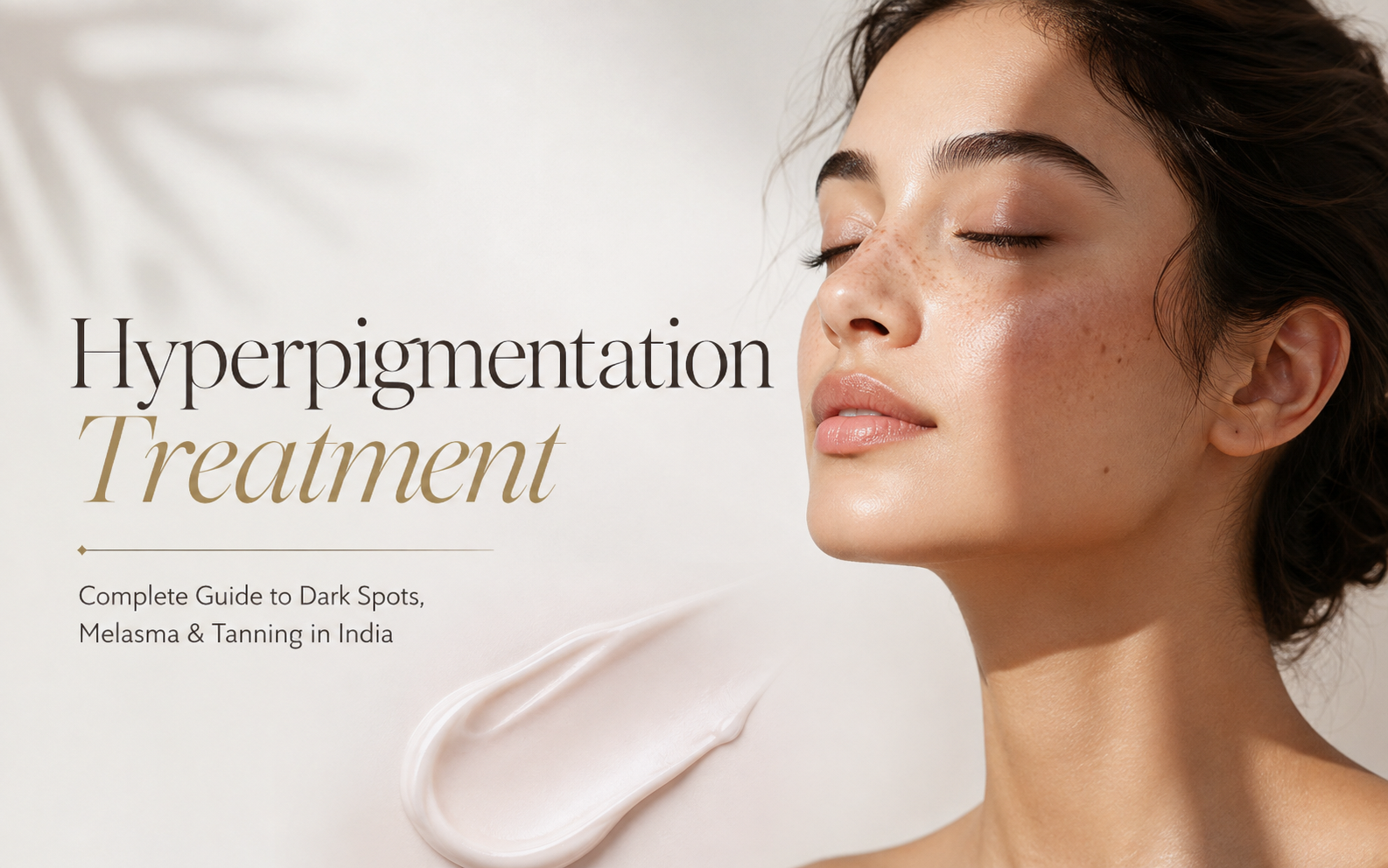
If you are searching for an effective hyperpigmentation treatment, it helps to first understand why pigmentation is such a common concern in India. Indian skin typically falls within Fitzpatrick Skin Types IV and V, which naturally contain higher levels of melanin. While melanin helps protect the skin from UV damage, it also makes the skin more prone to developing stubborn dark spots, uneven skin tone, tanning, and post-inflammatory pigmentation after acne, irritation, or injury.
Add to that India's intense year-round UV exposure, heat, pollution, and increasing screen time, and pigmentation becomes a recurring skincare challenge rather than a one-time problem. The good news is that not all pigmentation is the same - and neither are the treatments. In this complete guide, you'll learn how to identify different types of pigmentation, understand what causes them, and discover the ingredients, routines, and products that actually help fade them safely and effectively for Indian skin.
What Is Hyperpigmentation?
Hyperpigmentation is a condition where certain areas of the skin become darker than the surrounding skin due to excess melanin production. It can appear as acne marks, sun spots, melasma, tanning, or patchy discoloration. This makes hyperpigmentation treatment one of the most common skincare concerns among Indians.
However, hyperpigmentation is not the same as vitiligo or hypopigmentation. In those conditions, the skin loses pigment and appears lighter or white. Hyperpigmentation involves excess pigment, while hypopigmentation involves reduced pigment. Understanding this difference is the first step toward choosing the right treatment and products for your skin.
The 6 Types of Pigmentation Indian Skin Faces
When people search for a hyperpigmentation treatment, they often assume all pigmentation is the same. In reality, pigmentation is a broad category that includes several conditions with different triggers, depths, and treatment approaches.
This distinction matters because the ingredient that works brilliantly for acne marks may do very little for melasma. Similarly, a pigmentation treatment cream in India that helps reduce tanning may not be the best choice for stubborn dark neck pigmentation.
Understanding your pigmentation type is the first step toward choosing the right skincare routine and seeing visible results.
Pigmentation Types at a Glance
Type | Common Cause | Where It Appears | Best-Suited Actives |
Melasma | Hormones, UV exposure, heat | Cheeks, forehead, upper lip | Kojic Acid, Tranexamic Acid, Niacinamide, Sunscreen |
Post-Inflammatory Hyperpigmentation (PIH) | Acne, irritation, injuries | Face, back, shoulders | Vitamin C, Niacinamide, Azelaic Acid, Retinoids |
Sun Tanning & Sunspots | UV damage | Face, neck, arms, hands | Vitamin C, Kojic Acid, Sunscreen |
Freckles & Age Spots | Genetics, cumulative sun exposure | Face, nose, cheeks, hands | Retinoids, Vitamin C, Sun Protection |
Dark Lips, Underarms & Body Folds | Friction, shaving, hormones | Lips, underarms, groin, inner thighs | Kojic Acid, Lactic Acid, Niacinamide |
Acanthosis Nigricans | Insulin resistance, obesity, hormonal imbalance | Neck, knees, elbows, knuckles | Keratolytics, Urea, Lactic Acid, Medical evaluation |
Melasma: The Most Stubborn Form of Facial Pigmentation
Melasma is one of the most common reasons people seek a professional hyperpigmentation treatment. It appears as symmetrical brown or grey-brown patches, typically on the cheeks, forehead, bridge of the nose, and upper lip.
Unlike ordinary tanning, melasma is strongly influenced by hormones. This is why it is frequently seen during pregnancy, while taking oral contraceptives, or during hormonal fluctuations. However, sun exposure remains one of its biggest triggers.
One reason melasma is difficult to treat is that the pigmentation often sits deeper within the skin. Even when the patches fade, they can return if proper sun protection is not maintained.
For Indian skin, successful melasma management usually combines:
Daily broad-spectrum sunscreen
Pigment-regulating ingredients such as Kojic Acid
Vitamin C-based antioxidants
Consistent skincare habits
Dermatologist-guided treatments in severe cases
Products such as Kozimax Cream are commonly included in pigmentation-focused routines because they help target uneven skin tone and stubborn dark patches with clinically relevant depigmenting ingredients.
The biggest mistake people make with melasma is expecting overnight results. You need to be consistent with Melasma - rather than aggressive.
Post-Inflammatory Hyperpigmentation (PIH): The Acne Marks
Many people think acne is the problem. In reality, the acne often heals while the marks remain for months. This condition is called Post-Inflammatory Hyperpigmentation (PIH). It occurs when inflammation stimulates melanocytes to produce excess pigment during the skin's healing process.
For Indian skin, PIH is especially common because melanin-rich skin tends to respond more aggressively to inflammation.
PIH can develop after:
Pimples and cystic acne
Picking or squeezing blemishes
Skin injuries
Allergic reactions
Cosmetic procedures performed incorrectly
This is where searches for pimple black marks removal cream in India often originate. Most people are not trying to treat active acne anymore - they are trying to erase the reminder it leaves behind.
The most effective ingredients for PIH include:
Vitamin C
Niacinamide
Kojic Acid
Azelaic Acid
Retinoids
A gel like Sebgogel can be particularly useful because antioxidant-rich formulations help interrupt pigmentation pathways while improving overall skin radiance. The earlier PIH is treated, the easier it generally is to fade.
Sun Tanning and Sunspots: The Most Preventable Pigmentation
India receives intense UV exposure throughout the year. Even brief daily exposure while commuting, driving, or standing outdoors can gradually trigger excess melanin production.
This is why tanning remains one of the most widespread pigmentation concerns in the country. However, tanning and sunspots are not exactly the same thing. Tanning is the skin's defensive response to UV radiation, resulting in generalized darkening.
Sunspots, on the other hand, are concentrated areas of pigment accumulation caused by years of repeated UV exposure.
You may notice them as:
Small dark spots on the cheeks
Pigmentation on the forehead
Discoloration on the nose
Dark patches on the hands and forearms
The good news is that these forms of pigmentation often respond well to a combination of:
Vitamin C
Gentle exfoliation
Pigment-correcting creams
Consistent sunscreen use
Even the most effective best pigmentation cream India users swear by will struggle to deliver results if UV exposure continues unchecked. Think of sunscreen as protection and pigmentation products as correction. Both are necessary.
Freckles and Age Spots: Similar Appearance But Different
Freckles and age spots are often grouped together, but they develop differently. Freckles are usually genetic. They become darker with sun exposure and lighter during periods of reduced UV exposure. Age spots - also called solar lentigines - develop gradually after years of cumulative sun damage.
While freckles are often harmless and purely cosmetic, age spots indicate long-term UV exposure and become increasingly common with age. People frequently search for the best cream for dark spot removal in India when they begin noticing these spots around the cheeks, temples, or hands.
The most helpful ingredients include:
Vitamin C
Retinoids
Kojic Acid
Niacinamide
Daily sunscreen
The goal here is not only reducing existing spots but preventing new ones from forming.
Dark Lips, Underarms and Body Folds
Pigmentation is not limited to the face. Some of the most frustrating forms of hyperpigmentation occur in areas such as:
Underarms
Inner thighs
Groin folds
Neck folds
Elbows
Knees
Lips
These areas are constantly exposed to friction, shaving, sweat, hormonal influences, and irritation. Over time, repeated inflammation can trigger excess pigment production.
Because these concerns are highly visible in daily life, many consumers actively look for a pigmentation removal cream in India that can safely address body pigmentation without causing irritation.
The treatment approach often includes:
Reducing friction
Gentle exfoliation
Brightening ingredients
Consistent moisturization
Addressing underlying hormonal factors when necessary
Acanthosis Nigricans: When Pigmentation Signals Something Deeper
Not every dark patch is a cosmetic issue. Sometimes pigmentation is a sign that the body is trying to communicate something important.
Acanthosis Nigricans appears as thickened, velvety, dark skin - most commonly around:
The neck
Underarms
Elbows
Knees
Knuckles
Unlike ordinary pigmentation, this condition is often associated with:
Insulin resistance
Prediabetes
Obesity
Hormonal disorders such as PCOS
This makes it very different from standard dark spots or tanning. While addressing the underlying cause remains essential, topical products can help improve the appearance and texture of affected areas.
Products such as Cuticans Cream are often considered for dark necks, elbows, knees, and rough pigmented skin because they combine exfoliating and skin-softening ingredients that support smoother, more even-looking skin.
The key takeaway is simple: if dark neck pigmentation appears suddenly or becomes progressively thicker, treating the skin alone may not be enough. Medical evaluation should be part of the solution.
What Causes Hyperpigmentation? Understanding the Triggers Behind Uneven Skin Tone
The success of any hyperpigmentation treatment depends on one simple principle: stop the trigger before trying to fade the pigment. Many people invest in the best pigmentation removal cream in India or a powerful dark spot removal serum in India, only to see limited results because the underlying cause remains active.
UV Exposure and Blue Light
For Indian skin, sunlight is the single most important pigmentation trigger. UV rays stimulate melanocytes - the cells responsible for producing melanin - causing dark spots, tanning, and melasma to worsen over time. Emerging research also suggests that prolonged exposure to blue light from screens and devices may contribute to pigmentation, particularly in melanin-rich skin.
Hormones, Inflammation and Everyday Skin Trauma
Not all pigmentation comes from the sun. Hormonal fluctuations, acne breakouts, eczema, skin irritation, and inflammatory conditions can all trigger excess melanin production. This is why many people searching for a pimple black marks removal cream in India are actually dealing with post-inflammatory pigmentation rather than active acne.
Common triggers include:
Hormonal changes and melasma
Acne and skin inflammation
Waxing, threading, and frequent shaving
Friction from tight clothing or skin folds
Certain medications that increase photosensitivity
Scrubbing Does Not Remove Pigmentation
One of the biggest skincare myths is that pigmentation can be scrubbed away. It cannot. Hyperpigmentation develops within the skin, not on its surface. Excessive scrubbing often creates more inflammation, which can actually worsen discoloration. A scientifically formulated pigmentation treatment cream in India, paired with sun protection and targeted actives, is far more effective than any harsh exfoliation routine.
The Best Hyperpigmentation Treatment Ingredients and Actives
The skincare industry loves big promises. Every month, there seems to be a new "miracle" ingredient claiming to erase years of pigmentation overnight. The reality is far less dramatic, but far more effective.
When it comes to hyperpigmentation treatment, the ingredients that consistently deliver results are the ones backed by dermatological research and years of real-world use. Whether you're looking for the best pigmentation removal cream in India, a dark spot removal serum in India, or a targeted pigmentation treatment cream in India, chances are the products that work contain one or more of the following actives.
The key isn't finding one magical ingredient. It's understanding what each active does, who it works best for, and how it fits into your routine.
Kojic Acid: For dark spots and uneven skin tone
If there's one ingredient that repeatedly appears in discussions about the best pigmentation cream India consumers trust, it's Kojic Acid.
Derived from the fermentation process of certain fungi, Kojic Acid works by inhibiting tyrosinase, an enzyme involved in melanin production. In simpler terms, it helps slow down the skin's pigment-making machinery.
This makes it particularly useful for:
Melasma
Acne marks
Sunspots
Post-inflammatory pigmentation
Uneven skin tone
Products such as Kozimax Cream have become popular because they incorporate pigment-correcting ingredients that help target stubborn discoloration without being unnecessarily harsh on the skin.
Best for: Melasma, acne marks, sunspots, and overall skin brightening.
Glutathione: For supporting brighter-looking skin
Glutathione has become one of the most talked-about skincare ingredients in recent years-and for good reason.
Known as the body's "master antioxidant," Glutathione helps combat oxidative stress, one of the lesser-known contributors to pigmentation and uneven skin tone. While it isn't a bleaching ingredient, it can support a brighter and more radiant complexion when used consistently.
For people dealing with dullness alongside pigmentation, Glutathione-based skincare can be a valuable addition to a broader hyperpigmentation treatment routine.
A gentle cleanser such as Glutafine Face Wash combines cleansing with skin-brightening support, making it suitable for those looking to maintain clarity without over-exfoliating their skin.
Best for: Dull skin, uneven complexion, and maintaining overall radiance.
Alpha Arbutin: Gentle Yet Surprisingly Effective
Alpha Arbutin is often described as the smarter, gentler cousin of Hydroquinone. It works by gradually reducing excess melanin production without the irritation commonly associated with stronger depigmenting agents. This makes it an excellent choice for sensitive skin types and beginners starting a pigmentation-focused skincare routine.
One reason dermatologists frequently recommend Alpha Arbutin is that it pairs well with other brightening ingredients, helping improve results without significantly increasing irritation.
Best for: Beginners, sensitive skin, and mild-to-moderate pigmentation.
Vitamin C: The Brightening Multi-Tasker
Few ingredients are as versatile as Vitamin C. It helps reduce pigmentation, protects against environmental damage, supports collagen production, and improves overall skin brightness. That's a rare combination in skincare.
For people dealing with tanning, dullness, and dark spots simultaneously, Vitamin C often becomes the foundation of an effective routine.
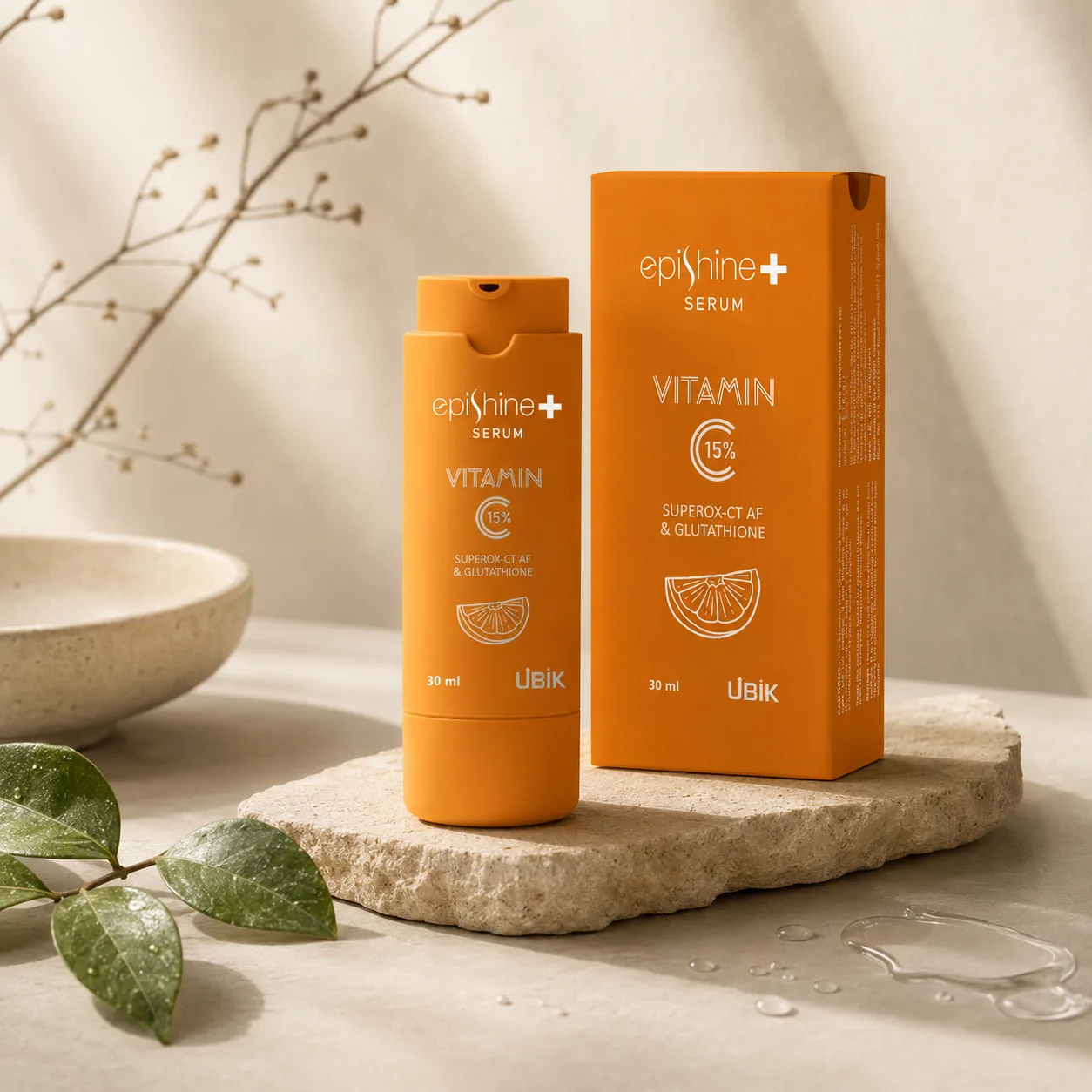
Products like Epishine Plus Serum are particularly useful because they combine antioxidant support with skin-brightening benefits, helping the skin look healthier while gradually improving uneven pigmentation.
Best for: Sun damage, tanning, dullness, and early pigmentation concerns.
Niacinamide: Saves Your Barrier and Fights Pigmentation
Niacinamide is one of those ingredients that quietly improves almost everything. Instead of aggressively removing pigment, it helps reduce the transfer of melanin to skin cells. At the same time, it strengthens the skin barrier, regulates excess oil, and helps calm inflammation.
This makes it especially useful for people dealing with acne and pigmentation at the same time - a common concern among those searching for a pimple black marks removal cream in India.
Niacinamide also plays well with almost every other pigmentation ingredient, making it easy to include in most skincare routines.
Best for: Acne marks, oily skin, redness, and barrier support.
Azelaic Acid: The Underrated Hero for Acne Marks and Melasma
If one ingredient deserves more attention in the pigmentation conversation, it's Azelaic Acid.
Azelaic Acid helps reduce inflammation, improve acne, and fade pigmentation simultaneously. That combination makes it particularly valuable for Indian skin, where post-acne pigmentation can linger long after breakouts disappear. For individuals struggling with both active acne and dark marks, products such as Aczee Serum can provide a targeted approach by helping address multiple concerns at once.
The ingredient is also frequently recommended for melasma-prone skin because of its relatively gentle yet effective mechanism of action.
Best for: Acne marks, melasma, rosacea-prone skin, and post-inflammatory hyperpigmentation.
Hydroquinone: Effective, But Not for Self-Medication
No discussion about hyperpigmentation treatment is complete without mentioning Hydroquinone. For decades, Hydroquinone has been considered one of the most effective ingredients for reducing stubborn pigmentation. However, it is also one of the most misunderstood.
Hydroquinone is not designed for indefinite use. It is generally recommended as a short-term, dermatologist-supervised treatment because inappropriate use can lead to irritation and, in rare cases, rebound pigmentation.
This is particularly important when considering products in the Kozilite H category, which should always be used under professional guidance rather than as a long-term cosmetic solution. Think of Hydroquinone as a prescription-strength tool-not an everyday skincare ingredient.
Best for: Severe melasma and resistant pigmentation under dermatologist supervision.
Retinol: The Long-Term Skin Tone Refiner
Retinol doesn't directly block pigment production the way Kojic Acid or Hydroquinone do. Instead, it accelerates skin cell turnover, helping pigmented cells shed more efficiently over time.
This is why Retinol often appears in advanced pigmentation treatment routines. As newer, healthier skin cells move to the surface, dark spots gradually become less visible. The added bonus is improved skin texture, smoother skin, and better overall skin quality.
However, patience is essential. Retinol is a marathon ingredient, not a sprint ingredient.
Best for: Age spots, stubborn pigmentation, skin renewal, and long-term skin tone improvement.
So, Which Active Is Best for Hyperpigmentation?
The truth is that the best cream for dark spot removal in India isn't defined by a single ingredient. The most effective hyperpigmentation treatment usually combines multiple evidence-backed actives with daily sun protection and consistent use.
As a quick rule of thumb:
Kojic Acid → Best for melasma and dark spots.
Glutathione → Best for overall brightness and antioxidant support.
Alpha Arbutin → Best for sensitive skin.
Vitamin C → Best for tanning and environmental damage.
Niacinamide → Best for acne-prone skin.
Azelaic Acid → Best for acne marks and melasma.
Hydroquinone → Best for severe pigmentation under dermatologist supervision.
Retinol → Best for long-term skin renewal and age-related pigmentation.
The smartest skincare routines don't chase trends. They combine the right ingredients for the right type of pigmentation - and that's where real, visible results begin.
Face Wash vs Cream vs Serum vs Tablets: Which Hyperpigmentation Treatment Format Works Best?
When people search for the best pigmentation removal cream in India, they're often looking for one product that does everything. The reality is that each format serves a different purpose in a successful hyperpigmentation treatment routine.
Face Washes: The First Step, Not the Main Treatment
Pigmentation-focused cleansers help remove dirt, oil, pollution, and sunscreen while supporting brighter-looking skin. They prepare the skin for treatment but cannot fade deep pigmentation on their own.
Serums: Concentrated Treatment for Dark Spots
A good dark spot removal serum in India delivers potent actives directly to the skin. Ingredients like Vitamin C, Niacinamide, and Kojic Acid help target uneven skin tone, acne marks, and tanning.
Creams: Targeted Pigmentation Correction
A pigmentation treatment cream in India is designed to stay on the skin longer and continuously deliver active ingredients. Such products are commonly used for dark spots, melasma, and stubborn pigmentation. For resistant cases, dermatologist-guided options can be recommended.
Tablets: Inner Body Support
Oral supplements and antioxidants can support overall skin health and pigmentation management, but they work best alongside topical treatments - not as replacements.
The most effective hyperpigmentation treatment is rarely a single product. A cleanser prepares, a serum treats, a cream targets, and supportive supplements can enhance results. Together, they create a routine that gives pigmentation fewer places to hide.
When to see a Dermatologist for Hyperpigmentation Treatment?
Most pigmentation concerns can improve significantly with the right skincare routine, a little patience, and consistent sun protection. But sometimes, despite doing everything right, the pigmentation simply doesn't budge. That's usually your skin's way of telling you that it may need more than over-the-counter care.
As a general rule, it's worth seeing a dermatologist if:
Your melasma keeps coming back.
The pigmentation is getting darker or spreading.
The patches have been present for years with little improvement.
Acne marks remain stubborn despite regular treatment.
You notice darkening around the neck, underarms, or body folds along with other health concerns.
You've been following a dedicated pigmentation routine for 2–3 months without meaningful results.
A dermatologist can determine how deep the pigmentation is and whether treatments such as prescription medications, chemical peels, microneedling, or laser procedures may help.
One important thing to remember: pigmentation isn't always just a skin issue. In some cases, it can be linked to hormones, inflammation, or underlying health conditions. That's why getting the correct diagnosis is often the most effective hyperpigmentation treatment of all. Sometimes the goal isn't just fading the spot - it's understanding why it appeared in the first place.
End Thoughts
Hyperpigmentation rarely has a single cause, and that's exactly why it rarely has a single solution. The most effective hyperpigmentation treatment combines the right actives, consistent sun protection, and products suited to your specific concern. Whether that's a brightening cleanser like Ethiglo Face Wash, targeted correction with Kozimax Cream, or antioxidant support through Ethiglo Serum, small daily choices often create the biggest long-term changes in skin tone, clarity, and confidence.
FAQ
Which is the best treatment for hyperpigmentation?
There is no single best option, because the right hyperpigmentation treatment depends on what caused the pigmentation. Sun-induced tanning, melasma, and post-acne marks each respond to different actives. What most effective routines have in common is a three-part structure: a cleanser with brightening actives, a leave-on serum or cream containing melanin-regulating ingredients such as kojic acid, alpha arbutin, niacinamide or vitamin C, and broad-spectrum sunscreen every morning. Sunscreen is the part people skip, and it is the reason results stall. Pigmentation that has not improved after 8–12 weeks of consistent use is worth taking to a dermatologist, who may recommend hydroquinone-based options like Kozilite H Serum or in-clinic procedures.
What is the best cream for hyperpigmentation?
The best cream is the one matched to your pigmentation type, not the one with the strongest marketing. For everyday dark spots, tanning and uneven tone, Kozimax Cream combines Kojic Acid Dipalmitate, Vitamin C, Arbutin, Glabridin and Mulberry Extract, and works on the face as well as darker areas like knees, elbows and underarms - a practical best pigmentation removal cream in India for general use. A2Lite Cream uses Alpha Arbutin with Tyrostat and Daisy Flower Extract, and suits acne marks and uneven tone. If pigmentation is stubborn and hasn't responded to these, Kozilite H Cream contains Hydroquinone alongside Kojic and Glycolic Acid and should be used under dermatologist guidance for a defined period, not continuously.
Can pigmentation be cured completely?
Pigmentation can fade substantially and, in many cases, become no longer visible - but the underlying tendency remains, because the melanocytes that produced it are still there and can be re-triggered by sun exposure, hormonal shifts or fresh inflammation. Surface-level (epidermal) pigmentation such as post-acne marks and tanning clears most reliably. Deeper dermal pigmentation and long-standing melasma usually lighten rather than disappear entirely. This is why maintenance - continued sunscreen and periodic use of a brightening product - matters as much as the initial treatment phase.
How do I remove my pigmentation naturally?
Be careful with the popular kitchen remedies. Lemon juice, baking soda and undiluted apple cider vinegar can irritate skin, and irritation triggers more melanin - the opposite of the goal. Plant-derived actives with better evidence behind them include liquorice extract (glabridin), mulberry extract, bearberry-derived arbutin and vitamin C, all of which appear in formulated products such as Kozimax Cream and Kozilite Lotion, where they're used at stable, tested concentrations. The genuinely natural habits that help are non-negotiable and free: daily sun protection, not picking or squeezing spots, and treating acne early so it leaves fewer marks behind.
Which dark spot remover is best?
It depends on what caused the spot. Post-acne dark marks respond well to Sebonia Niacinamide Serum (10% Niacinamide, 1% Zinc PCA) or Aczee Serum (10% Azelaic Acid), which is useful when active breakouts are still appearing - both are sensible picks if you're searching for a pimple black marks removal cream in India and would rather use a serum. For sun spots, tanning and mixed pigmentation, Ethiglo Serum combines Encapsulated Beta White, Alpha Arbutin, Glutathione and Superox C AF Vitamin C, making it the most complete dark spot removal serum in India in the range. For localised spots on a smaller budget, Kozimax Cream is a reasonable best cream for dark spot removal in India option. Expect visible change in 4–8 weeks, not days.
What face wash is good for hyperpigmentation?
A face wash that cleanses without stripping, and carries brightening actives rather than only surfactants. Ethiglo Face Wash pairs Kojic Acid and Liquorice Extract with Vitamin C, Niacinamide and an AHA + BHA blend, making it suitable for daily use on pigmentation and dull skin. Glutafine Face Wash leads with Glutathione and Kojic Acid, and suits tanning, melasma and hyperpigmentation. Glomed C Face Wash combines Vitamin C, Glycolic Acid and Hyaluronic Acid, which works well for acne-prone skin dealing with marks. One realistic caveat: a face wash has short contact time with your skin, so treat it as a supporting step and keep a leave-on cream or serum as the main treatment.
Which brand is best for pigmentation?
Judge formulations rather than brand names. Useful signals are named actives with stated concentrations, clear night-use or day-use instructions, a matching sunscreen within the same range, and honest positioning about how long results take. On Emegamart, the Zymo Cosmetics ranges are built specifically around pigmentation - Ethiglo (glutathione and kojic acid based), Kozilite and Kozimax (kojic acid with arbutin and liquorice), and Glutafine for cleansing - alongside sunscreens like Ethisun and Z Block to protect the results. Worth saying plainly: switching brands every few weeks is the most common reason people see no progress. A consistent routine with sunscreen outperforms brand-hopping.
What fades hyperpigmentation quickly?
Nothing fades it overnight, and products claiming otherwise are worth treating with suspicion. The fastest realistic progress comes from layering steps rather than relying on one product: an exfoliating cleanser with AHA/BHA to clear dulling surface cells, a night serum or cream with melanin-regulating actives, and SPF 50 every single morning. On that routine, most people notice early change around 4–6 weeks and clearer results by 8-12 weeks. Deeper or older pigmentation moves slower. Where speed genuinely matters, dermatologist-led options such as chemical peels or laser resurfacing accelerate a hyperpigmentation treatment plan - Sefpil Cream is formulated for pre- and post-procedure care around exactly those treatments.
What do Indians use for hyperpigmentation?
Usage splits between traditional home remedies - turmeric, besan, aloe vera, sandalwood - and formulated actives such as kojic acid, alpha arbutin, glutathione, niacinamide and vitamin C. Both are common in the same household. There's a physiological reason pigmentation concerns are so widespread here: more melanin-active skin (Fitzpatrick types IV–V) means post-inflammatory hyperpigmentation after acne, and tan-related pigmentation from strong year-round UV, occur more readily and last longer than they do in lighter skin. Ranges like Ethiglo, Kozilite and Kozimax are formulated with that in mind. The consistent gap in Indian routines is daily sunscreen, which remains the most under-used product for this concern.
What to drink for pigmentation?
No drink removes pigmentation on its own, and it's worth being clear about that. Adequate water, along with an antioxidant-rich diet - citrus and other vitamin C sources, green tea, leafy vegetables - supports general skin health and healing, which helps indirectly. Oral products do exist in this category: Ethiglo Liquid delivers Glutathione and Vitamin C as an intra-oral spray, and is designed to support topical treatment rather than replace it. Treat any oral option as an addition to a routine built on topical actives and sunscreen. Avoid unregulated high-dose supplements or injectable "skin whitening" products taken without medical supervision.
Is hyperpigmentation permanent?
Usually not. Epidermal pigmentation, which includes most post-acne marks and tanning, sits near the skin's surface and typically fades over weeks to months with treatment and consistent sun protection. Dermal pigmentation sits deeper, and long-standing melasma is genuinely stubborn - these often lighten significantly rather than clear completely, and they tend to recur when sun exposure or hormonal triggers return. Two habits make pigmentation last far longer than it needs to: going out without sunscreen, and picking or squeezing spots, which drives inflammation deeper and leaves a darker mark behind.
At what age does hyperpigmentation start?
It can begin at almost any age, though the type shifts across life stages. Teenagers most often see post-inflammatory hyperpigmentation, the dark marks left behind by acne. In the twenties and thirties, melasma becomes more common, frequently linked to pregnancy, hormonal contraceptives, or thyroid changes, along with pigmentation from sun exposure. From the forties onward, sun spots and age spots reflect accumulated UV damage over decades. Even young children can develop pigmentation after an injury, insect bite or eczema flare. Because sun exposure compounds over time, starting daily sunscreen in adolescence is the single most effective preventive step.
Which organ is responsible for hyper pigmentation?
The skin - specifically melanocytes, specialised cells in the basal layer of the epidermis that produce melanin and transfer it to surrounding skin cells. How much melanin they produce is influenced by several other systems. Hormones from the thyroid, ovaries, pituitary and adrenal glands can increase melanin production, which is why melasma commonly appears during pregnancy or with thyroid disorders. Liver conditions can also alter skin tone, though that presents differently from typical pigmentation patches. If pigmentation appears suddenly, spreads rapidly, or arrives with other symptoms such as fatigue or weight changes, see a doctor rather than reaching for a cream.
How to reverse hyperpigmentation?
Work through four steps in order. First, remove what's causing it - unprotected sun exposure, ongoing acne, friction, or an irritating product already in your routine. Second, switch to a cleanser that contributes actives, such as Ethiglo or Glutafine Face Wash. Third, add one leave-on treatment at night: Kozimax or A2Lite Cream for general pigmentation, Ethiglo Serum for mixed or stubborn spots, Sebonia or Aczee Serum where acne marks are the main issue. Fourth, apply broad-spectrum sunscreen every morning without exception. Give the routine 8–12 weeks before judging it, resist stacking multiple strong actives at once, and continue sunscreen afterwards - pigmentation returns when protection stops.