Kojic Acid for Skin: Benefits, How to Use & Side Effects
What does kojic acid actually do for pigmentation and dark spots? Benefits, how to use it safely, side effects, and who should avoid it - explained simply.
By EMM Editors · 2026-08-28
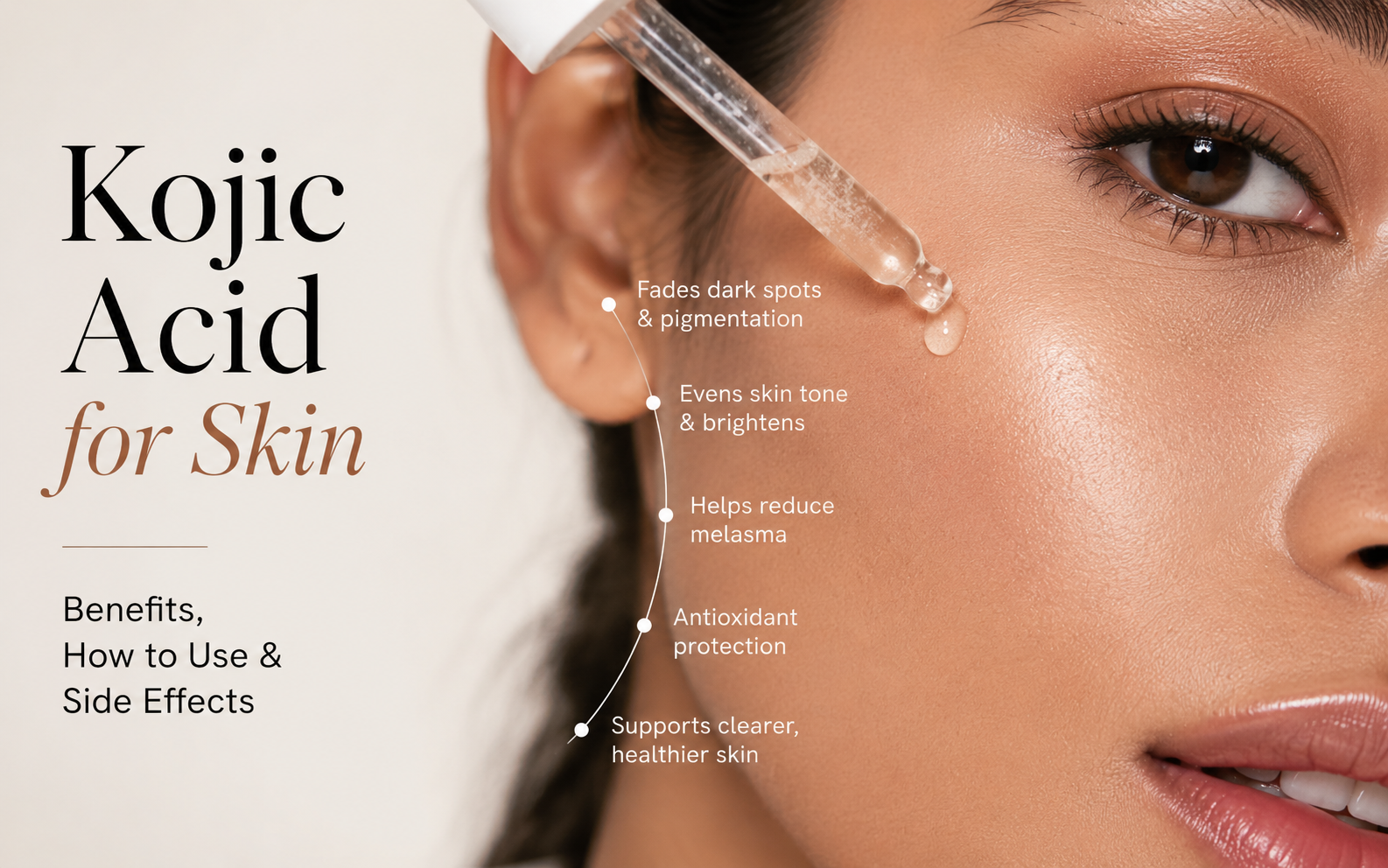
If dark spots, acne marks or stubborn tanning are part of your skincare struggle, you have probably seen kojic acid benefits pop up in more than a few products. From cleansers and soaps to creams and lotions, it has become one of those go-to ingredients for pigmentation - and the reason comes down to how it works on melanin production.
The kojic acid benefits for skin are especially interesting when your concern is uneven tone rather than simply wanting your skin to look “brighter.” It can help reduce the appearance of excess pigmentation over time, making dark areas look less noticeable and your overall skin tone more even.
But kojic acid isn't the kind of ingredient you slap on and expect pigmentation to disappear overnight. Think of it more like a slow, steady edit to your skincare routine… The right formula, the right frequency and, yes, a good sunscreen all play a part.
So, what does kojic acid actually do for your skin? And are the benefits of kojic acid cream, soap and face products really the same? Let's get into it.
What Is Kojic Acid and Where Does It Come From?
Kojic acid has a rather interesting origin: it is produced during the fermentation of certain fungi, and its skincare story begins with one important enzyme - tyrosinase. Your skin uses tyrosinase while making melanin, the pigment responsible for your natural skin colour and much of the pigmentation you see after sun exposure or inflammation.
Kojic acid helps slow down this enzyme's activity. In simple terms, that means it can help reduce excess melanin production, which is why it is commonly used in products designed for dark spots, tanning, and uneven skin tone.
You may also come across Kojic Acid Dipalmitate, a more stable derivative of kojic acid. The idea is similar: bring kojic-acid-based brightening care into a formulation that is easier to use consistently.
And that consistency matters. Kojic acid isn't about changing your natural skin tone - it is about helping areas of excess pigmentation gradually look more even.
6 Kojic Acid Benefits for Skin: What Can It Actually Do?
Kojic acid has earned its place in pigmentation-focused skincare for a pretty simple reason: it works on one of the key steps involved in melanin production. That makes it useful when your skin has developed darker patches, post-acne marks or uneven pigmentation - and you're tired of waiting for them to fade on their own.
But the kojic acid benefits for skin aren't about making your natural skin tone lighter. The goal is much more specific: helping excess pigmentation gradually become less visible and bringing the overall tone back to looking more even.
1. Helps Fade Dark Spots and Post-Acne Marks
One of the most talked-about kojic acid benefits for face is its use for dark spots and post-inflammatory hyperpigmentation (PIH). Those brown marks left behind after acne, irritation or minor skin inflammation can hang around long after the original problem is gone.
Kojic acid can help by reducing the activity involved in melanin production, gradually making these darker areas look less intense with consistent use.
Best suited for: Acne marks, sun-induced spots and uneven facial pigmentation.
2. Helps Reduce the Look of Tanning
A few days in the Indian sun can sometimes show up on your skin for much longer than you'd like. Tanning happens when your skin produces more melanin in response to UV exposure.
One of the useful benefits of kojic acid is that it can support a more even-looking complexion by helping manage excess pigmentation. But there's an important catch: if you're still getting significant sun exposure without sunscreen, you're essentially asking your skin to keep making the pigment you're trying to reduce.
Best suited for: Uneven tanning and sun-exposed areas.
3. Can Support Melasma-Focused Skincare
Melasma is more complicated than an ordinary dark spot. Hormones, UV exposure and other triggers can all play a role, which means it often needs a more careful and consistent approach.
Kojic acid may be included in a pigmentation routine to help improve the appearance of excess pigmentation. However, melasma can be persistent and may return, so think of kojic acid as one part of management - not a miracle cure.
Best suited for: A dermatologist-guided routine for uneven, recurring pigmentation.
4. Helps Even Out Body Pigmentation
Pigmentation doesn't stop at your face. Areas such as the neck, elbows, knees and other frequently exposed or friction-prone areas can develop uneven tone too.
This is where the kojic acid soap benefits or body-focused kojic acid formulations can become useful. Products formulated with kojic acid derivatives can be incorporated into body-care routines where tanning or uneven pigmentation is the concern.
Best suited for: Uneven body tone, tanning and darker patches.
5. Helps Skin Look Brighter and More Even
Sometimes the concern isn't one obvious dark spot. Your skin simply looks a little dull, patchy or uneven overall.
By helping manage excess melanin production, kojic acid can contribute to a more uniform-looking complexion over time. This is one reason it appears in everything from cleansers to targeted creams.
The effect of kojic acid on skin is therefore less about an instant "glow" and more about gradually improving the appearance of uneven pigmentation.
Best suited for: Dull-looking skin with uneven tone and mild pigmentation.
6. Works Well in Targeted Pigmentation Routines
Another reason kojic acid remains popular is its versatility. You can find it in different skincare formats, from face washes and soaps to leave-on creams and lotions.
The benefits of kojic acid cream can be particularly relevant when you want longer skin contact than you get from a wash-off product.
Best suited for: People who want to build a consistent, targeted routine around pigmentation rather than rely on a single product.
How to Use Kojic Acid Correctly
Knowing the kojic acid benefits for skin is one thing. Using it well is what actually makes the difference. The right format depends on where you are treating pigmentation and how much time the product stays on your skin.
Kojic Acid Face Wash: Keep It Simple
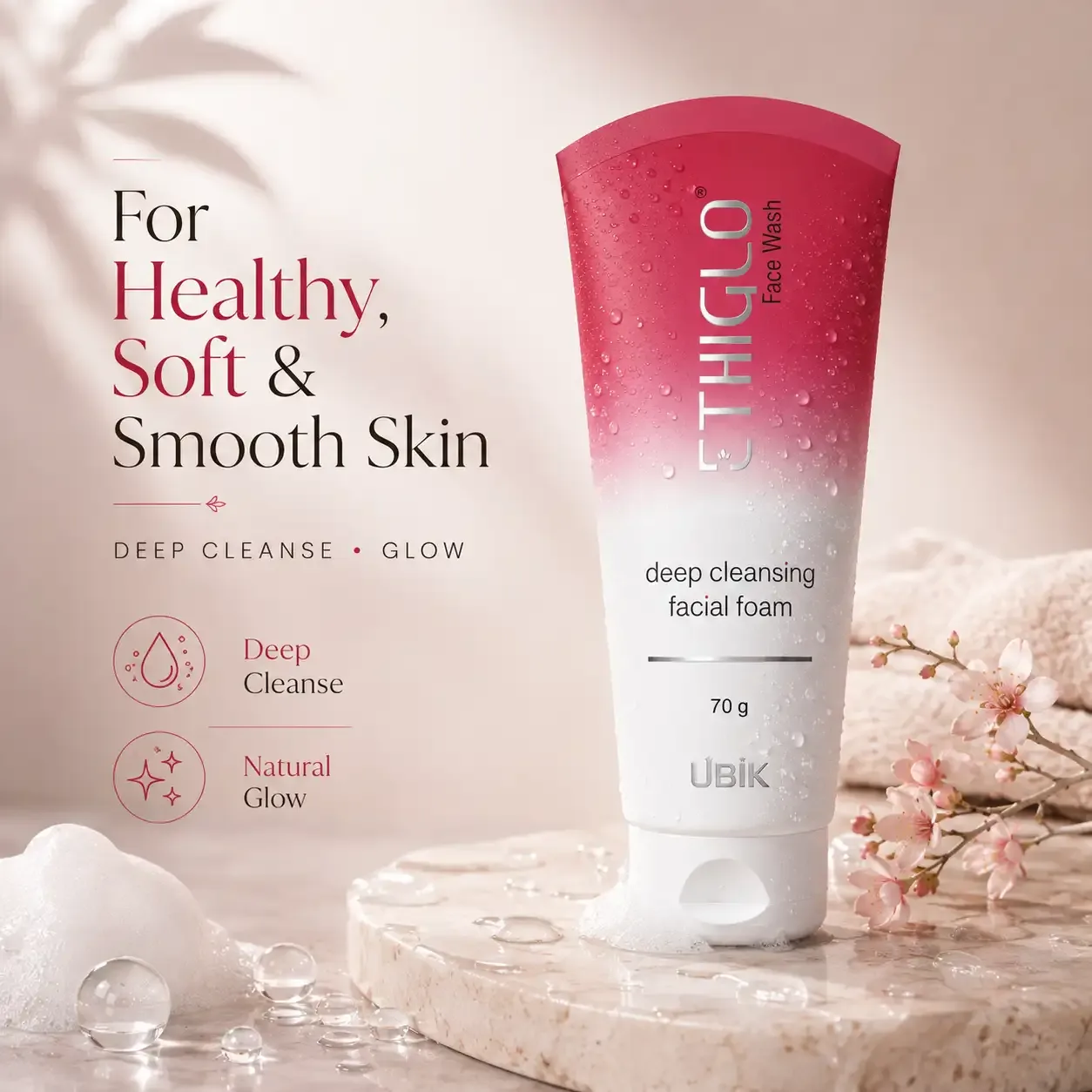
A kojic acid cleanser is a wash-off step, so think of it as the beginning of your routine, not the entire treatment. Ethiglo Face Wash can be used 2–3 times a day or as advised by your dermatologist. Massage gently over the face and neck for 2–3 minutes, then rinse and pat dry. Its Kojic Acid, Vitamin C, Niacinamide, Liquorice, and AHA/BHA blend makes it useful for skin dealing with tanning, dark spots and uneven tone.
Kojic Acid Soap: Better for More Than Just the Face
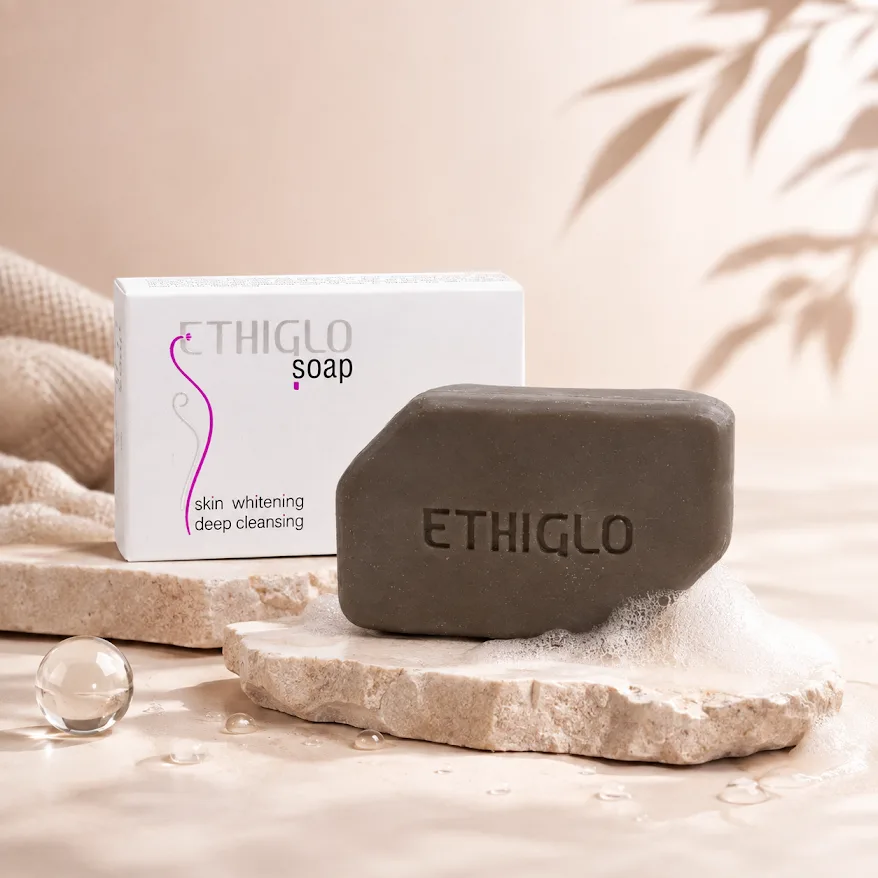
Ethiglo Soap contains Kojic Acid and Glycolic Acid and can be used on both the face and body. Work it into a soft lather, leave it on for around 20–30 seconds, rinse thoroughly, and pat dry. It can be especially handy when pigmentation or tanning extends beyond your face.
This is where the kojic acid soap benefits become useful: Kojic Acid supports pigmentation care while Glycolic Acid helps remove dead skin buildup.
Kojic Acid Cream or Lotion: Give It More Time
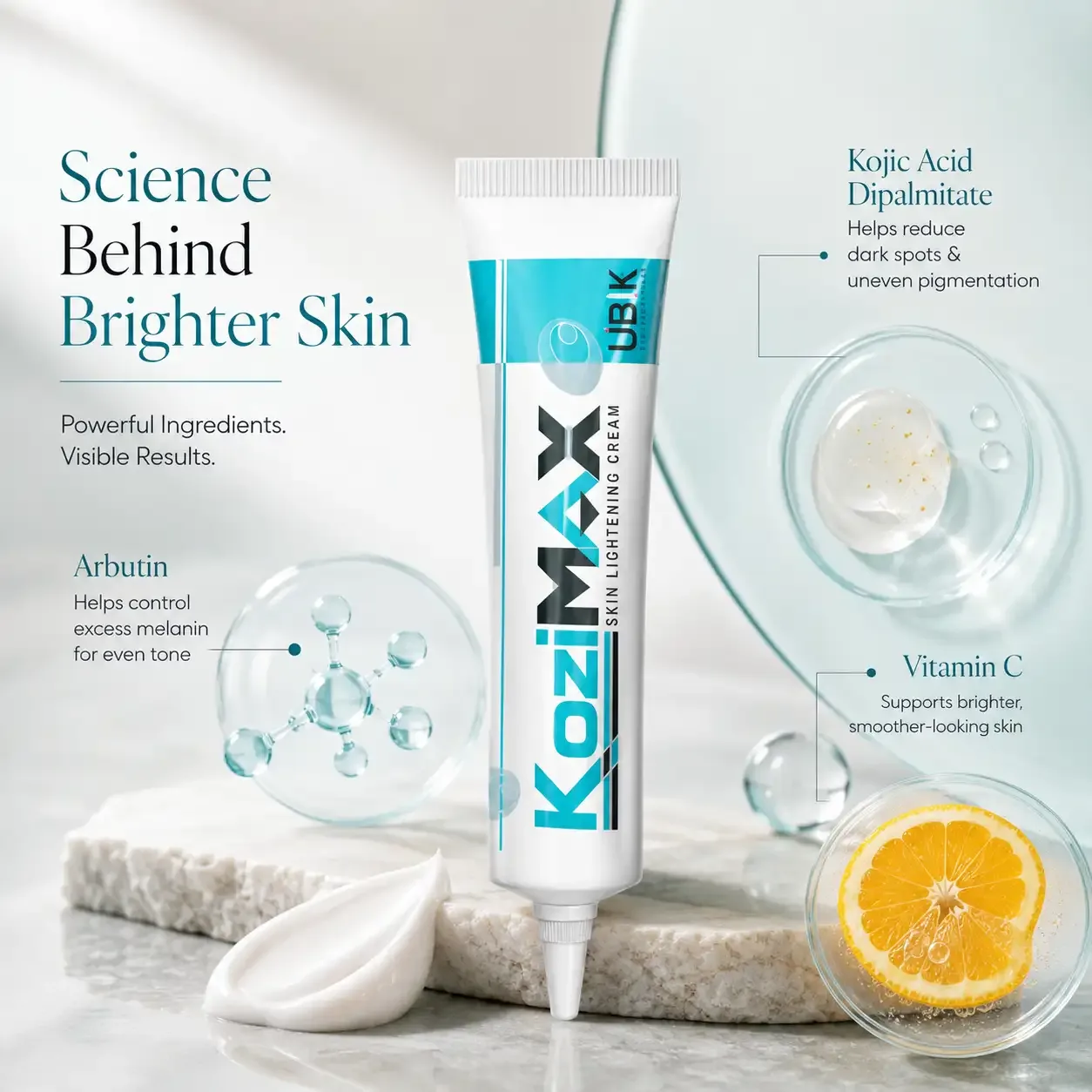
Leave-on products stay in contact with your skin for much longer, so they are better suited to targeted pigmentation care. Kozimax Cream can be used on specific pigmented areas, while Kozilite Lotion is designed for larger body areas such as the arms, legs, underarms, and neck.
For Kozilite, the product directions are straightforward: clean and dry the area, apply an even layer, massage until absorbed, and use it regularly in the evening or at night.
That longer contact time is also why the benefits of kojic acid cream can make sense when you're working on stubborn, localised pigmentation rather than simply cleansing the skin.
Kojic Acid for Lips: Use a Formula Made for Lips
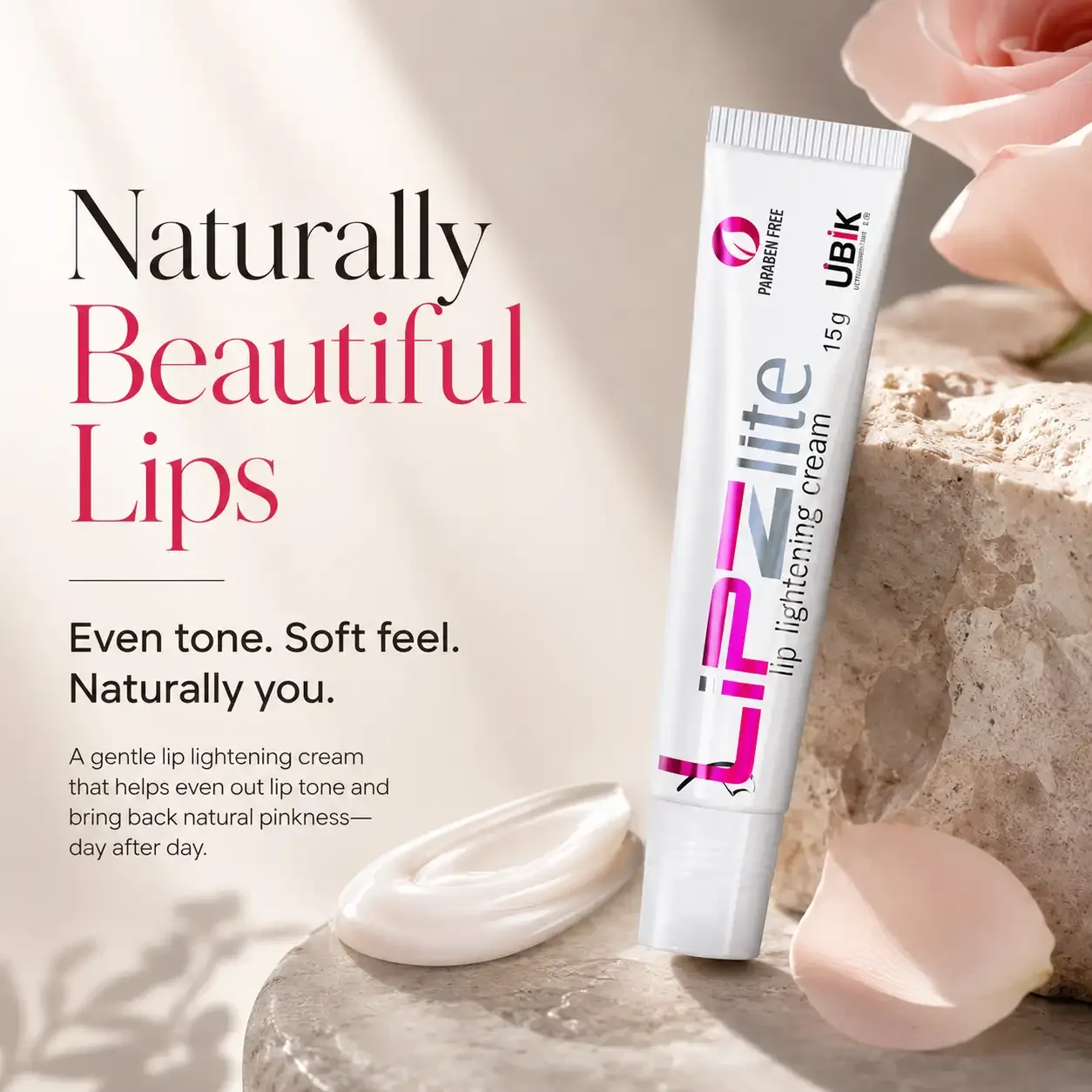
The skin around your lips needs a little more care than simply borrowing your face cream. Lipzlite is specifically formulated for areas including dark lips and contains Kojic Acid Dipalmitate, Alpha Arbutin, Niacinamide, Liquorice Extract, and Glycolic Acid. Apply a small amount to clean, dry skin, preferably at night, and massage gently until absorbed.
The Golden Rule: Sunscreen Every Morning
This is the part you really don't want to skip.
If you're using kojic acid for pigmentation but leaving your skin unprotected in the sun, you're making the routine much harder to work. The product information specifically recommends sunscreen with these routines, particularly because Kojic Acid and Glycolic Acid can increase sensitivity to sunlight.
So your basic rule is simple: treat at night, protect in the morning. Consistency beats piling on more products.
Side Effects of Kojic Acid: When Your Skin Needs a Break
Kojic acid can be a useful ingredient for pigmentation, but more is not always better. The effect of kojic acid on skin depends on the formula, concentration, frequency of use and how sensitive your skin is. For most people, the goal should be gradual brightening, not aggressively trying to erase every dark spot.
What can go wrong?
If your skin does not tolerate the product well, you may notice:
Redness or stinging, especially when you first introduce it.
Dryness or peeling if you are using too much or combining several strong actives.
Itching or irritation, which can sometimes indicate contact dermatitis.
Increased sensitivity when your routine already contains exfoliating or pigment-correcting ingredients.
This is why the kojic acid benefits for skin should always be considered alongside your skin's tolerance. A stronger routine is not automatically a better routine.
Patch-test before going all in
If you are trying a kojic acid cream, lotion or another leave-on product for the first time, apply a small amount to a limited area first and watch how your skin reacts. If you develop significant irritation, stop using it rather than trying to push through.
Also avoid applying kojic acid products over broken, freshly irritated or damaged skin.
Be extra careful with sensitive skin
Your skin may need a slower introduction if you already deal with dryness, sensitivity or irritation. And if you are pregnant, breastfeeding, or using prescription treatments for pigmentation, it is sensible to check with your doctor before adding a new active.
The same thinking applies to products such as Kozimax Cream, Kozilite Lotion and Lipzlite, which contain Kojic Acid Dipalmitate. The product information positions these formulations for targeted pigmentation care, with Lipzlite specifically intended for delicate pigmented areas and preferably used at night.
The simple rule: if your skin is burning, persistently red or getting more irritated, do not mistake that reaction for the product “working.” Good pigmentation care should improve your skin over time, not leave it fighting the routine every day.
Kojic Acid vs Other Brighteners
No single brightening active has to do everything. The right choice depends on what you want to improve, how your skin behaves, and how your routine is built.
Brightening active | How it works | Key benefits | Best suited for | What makes it different |
Kojic Acid | Helps reduce tyrosinase activity, an enzyme involved in melanin production | Helps improve the appearance of dark spots, tanning and uneven pigmentation | Pigmentation, tanning and visible dark spots | A targeted brightening ingredient with strong relevance for pigmentation-focused routines |
Vitamin C | Supports antioxidant protection and helps brighten the appearance of skin | Helps improve dullness, uneven tone and the look of pigmentation | Dull, tired-looking and uneven skin | Combines brightening support with antioxidant care |
Alpha Arbutin | Helps regulate excess melanin production | Helps fade the appearance of dark spots and support a more even skin tone | Dark spots and uneven pigmentation | A gentle, targeted brightening option that fits well into daily skincare routines |
Niacinamide | Helps regulate pigment transfer to the skin's surface while supporting the skin barrier | Helps improve uneven tone, dullness and overall skin texture | Uneven tone, oiliness and barrier support | A versatile ingredient that works across multiple everyday skin concerns |
Hydroquinone | Reduces melanin production through a stronger depigmenting action | Used to target persistent pigmentation and stubborn dark patches | Stubborn pigmentation and specific clinical concerns | A potent treatment active generally used for defined periods under dermatologist guidance |
Final Thoughts
Understanding kojic acid benefits is really about knowing what your skin needs and using the ingredient consistently, not aggressively. Whether you choose a face wash, cream or targeted treatment, give your routine time to work, protect your skin with sunscreen, and let gradual, healthy-looking improvement be the goal.
FAQs
Is it safe to use kojic acid daily?
It can be, depending on the product, concentration and how your skin responds. Some rinse-off products can be used more frequently, while leave-on kojic acid cream or lotion may need a slower start. If you notice persistent burning, redness, itching or peeling, reduce use or stop. The goal of getting the kojic acid benefits for skin is gradual improvement, not irritating your skin into submission.
Is kojic acid good for your face?
Yes, kojic acid can be a useful ingredient for facial pigmentation, particularly when your concern is dark spots, tanning or uneven tone. The kojic acid benefits for face come from its ability to interfere with tyrosinase activity, an enzyme involved in melanin production. Choose a product designed for facial use and always pair it with sunscreen during the day.
Does kojic acid remove tan?
Kojic acid can help fade the appearance of tanning over time by reducing excess melanin production. It does not literally erase a tan overnight. Consistent use, along with daily sun protection, matters because continued UV exposure can keep stimulating pigmentation and work against your progress.
What is the disadvantage of kojic?
The main concern is irritation, especially if your skin is sensitive or you use too many strong actives together. Redness, dryness, itching or peeling can happen. Another common mistake is expecting instant results and applying more product than recommended. With kojic acid, consistency usually makes more sense than intensity.
Why is kojic acid darkening my skin?
If your skin appears darker after starting kojic acid, do not assume that the ingredient needs more time to “work.” Irritation or inflammation can sometimes trigger more pigmentation, particularly in already sensitive or pigmentation-prone skin. Stop if you are experiencing significant irritation and reassess the product, frequency and the rest of your routine.
Which is better, vitamin C or kojic acid?
Neither is universally “better.” They simply bring different strengths to a skincare routine. Kojic acid is particularly useful when pigmentation and dark spots are your main concern, while Vitamin C offers brightening and antioxidant support. Your choice should depend on your skin concern, tolerance and the rest of your routine.
What not to mix with kojic acid?
There is no single universal “do not mix” list because the answer depends on the formulation and your skin. However, piling kojic acid on top of several potentially irritating actives can make your routine unnecessarily aggressive. Be particularly cautious about combining multiple exfoliating or strong pigment-correcting products at the same time. When in doubt, keep the routine simple.
Do dermatologists recommend kojic acid?
Kojic acid is a recognised cosmetic brightening ingredient used in pigmentation-focused skincare. Whether a dermatologist recommends it for you depends on the type and severity of your pigmentation, your skin sensitivity and what else you are using. Persistent melasma or stubborn pigmentation deserves a proper dermatological assessment rather than endless experimentation with brightening products.
Can I apply kojic acid cream every day?
Some kojic acid creams are designed for regular use, but follow the directions of the specific product you are using. If you are new to the ingredient, starting less frequently can help you understand how your skin responds. For products such as Kozimax Cream, the important thing is to follow its recommended application rather than assuming that more frequent application will deliver faster benefits of kojic acid cream.
What is the best time to apply kojic acid?
For leave-on kojic acid products, evening is often a convenient time because the product can remain on the skin without immediately being exposed to daylight. For example, pigmentation-focused products such as Kozimax are positioned for evening or night use. During the day, sunscreen is essential, particularly when you are trying to improve pigmentation.
What will happen if I stop using kojic acid?
Stopping kojic acid does not mean your skin suddenly becomes darker. However, the pigmentation it was helping manage can gradually become visible again if the original triggers, such as sun exposure or inflammation, continue. Think of pigmentation care as maintenance. Sun protection and a sensible routine remain important even after your skin looks more even.
Is kojic acid skin bleaching?
No. Kojic acid is a skin-brightening and pigmentation-targeting ingredient, not a product designed to bleach your natural skin colour. Its effect is linked to melanin production, which is why it can help reduce the appearance of excess pigmentation and dark spots. The aim of a good routine is a more even-looking complexion, not changing your natural skin tone.
Which brand kojic acid is best?
There is no single brand that is automatically “best” for everyone. Look at the formula, concentration, product format, intended area and your skin's tolerance rather than choosing based only on the ingredient name.
For example, E Mega Mart's range includes different formats for different concerns. Kozimax Cream uses Kojic Acid Dipalmitate alongside other brightening ingredients, while Kozilite Lotion is another leave-on format. Ethiglo Face Wash offers kojic acid in a rinse-off cleanser, and Ethiglo Soap is positioned for body cleansing and pigmentation care.
What is the best way to apply kojic acid?
Start with clean, dry skin and use the amount recommended for your particular product. Leave-on creams and lotions should generally be applied as directed, while a face wash or soap is rinsed away.
A simple routine looks like this:
Cleanse with your kojic acid face wash if it suits your skin.
Apply your leave-on treatment as directed.
Moisturise if your skin needs it.
Use sunscreen every morning.
For sensitive areas, such as the lips or underarms, use a product specifically formulated for that area. Lipzlite, for instance, contains Kojic Acid Dipalmitate, Alpha Arbutin and Niacinamide and is designed for targeted use on areas including pigmented lips and underarms.
Which is better, Gluta or kojic?
It depends on what you are trying to achieve. Kojic acid is particularly relevant when your focus is pigmentation, dark spots and uneven tone because of its role in melanin production. Glutathione is commonly used in brightening-focused skincare and antioxidant formulations.
You do not necessarily have to treat them as competing ingredients either. Some formulations combine brightening ingredients to approach uneven tone from more than one angle. The smarter choice is the formula that fits your concern, skin tolerance and routine, rather than simply choosing the ingredient with the more impressive-sounding name.