The Beginner's Guide to Building a Skincare Routine for Oily Acne Prone Skin
Learn the best skincare routine for oily acne-prone skin with Ethiglo Face Wash, Sebogel Gel, Sebonia Serum, and Ethisun Sunscreen for clearer skin.
By EMM Editors · 2026-07-30
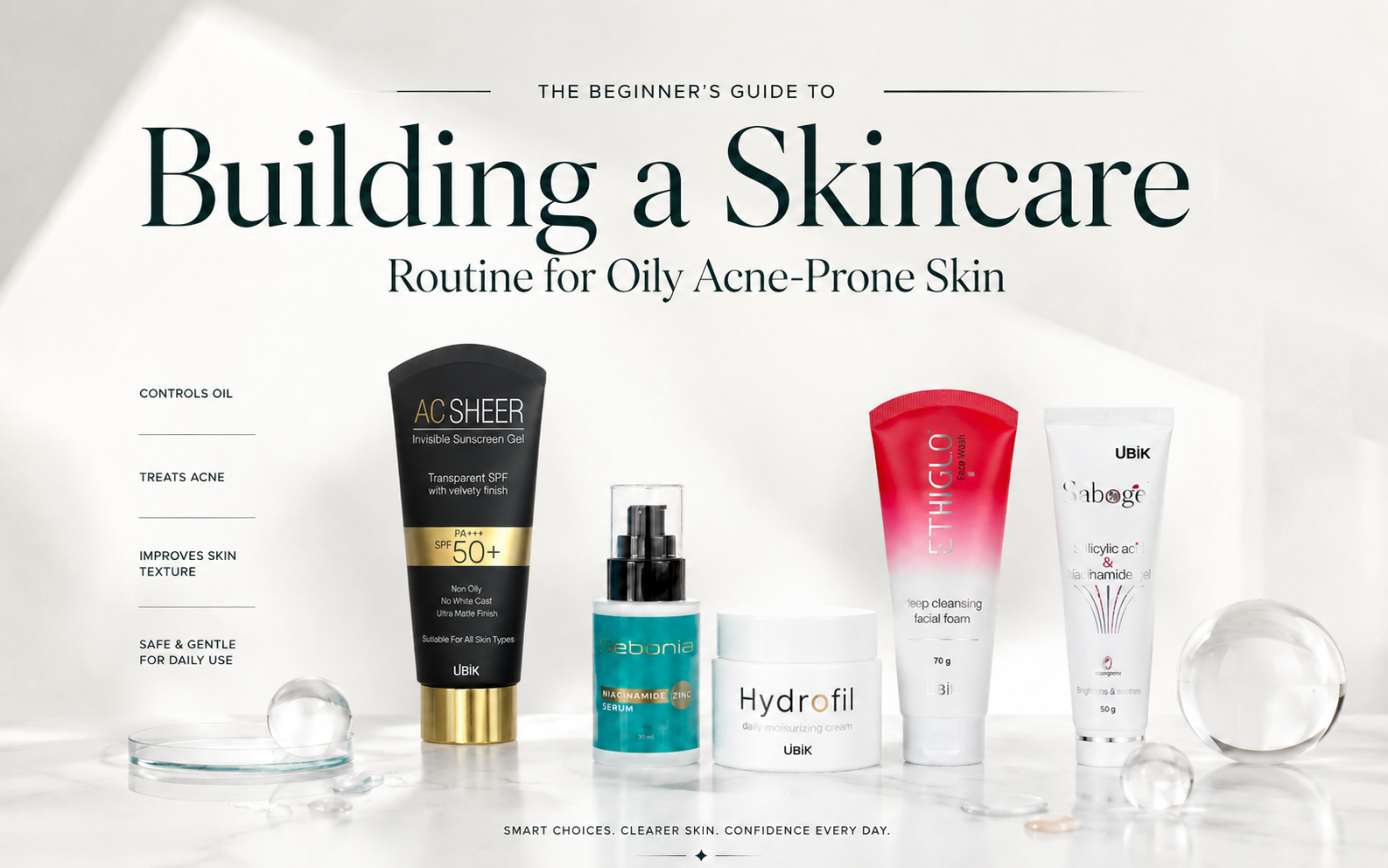
If you have oily, acne-prone skin, you've probably tried everything from home remedies to trending skincare products. Yet, breakouts keep returning, excess oil appears within hours, and new pimples seem to show up at the worst possible time.
The truth is that managing acne is rarely about finding one miracle product. A consistent skincare routine for oily acne-prone skin often delivers better results than constantly switching between products.
Many people overload their skin with too many active ingredients, harsh scrubs, or unnecessary steps. In reality, a simple and well-structured acne skincare routine can help control oil production, reduce clogged pores, and support healthier-looking skin over time.
In this guide, we'll explain how to build an effective routine, what ingredients to look for, and how to layer products correctly for both morning and evening use.
Understanding Oily Acne-Prone Skin
Before building a routine, it's important to understand why oily skin often experiences more breakouts.
Your skin naturally produces sebum, an oil that helps maintain hydration and protects the skin barrier. However, when the sebaceous glands produce excess oil, that sebum can mix with dead skin cells and bacteria, leading to clogged pores and acne.
Common characteristics of oily acne-prone skin include:
Excess shine throughout the day
Enlarged pores
Frequent blackheads and whiteheads
Recurring pimples and acne breakouts
Congested skin texture
Makeup that doesn't stay in place for long
Whether you're a teenager dealing with hormonal changes or an adult facing persistent acne, following a structured routine for oily skin can make a significant difference.
The Golden Rule: Keep Your Routine Simple
One of the biggest mistakes people make is using too many products at once.
A good dermatologist skincare routine for acne focuses on four essential pillars:
Cleansing
Treatment
Moisturising
Sun Protection
Once your skin adapts to these basics, you can gradually introduce targeted treatments if necessary.
Morning Skincare Routine for Oily Acne-Prone Skin
A morning routine should focus on controlling oil, protecting the skin, and preventing future breakouts.
Step 1: Cleanse Gently
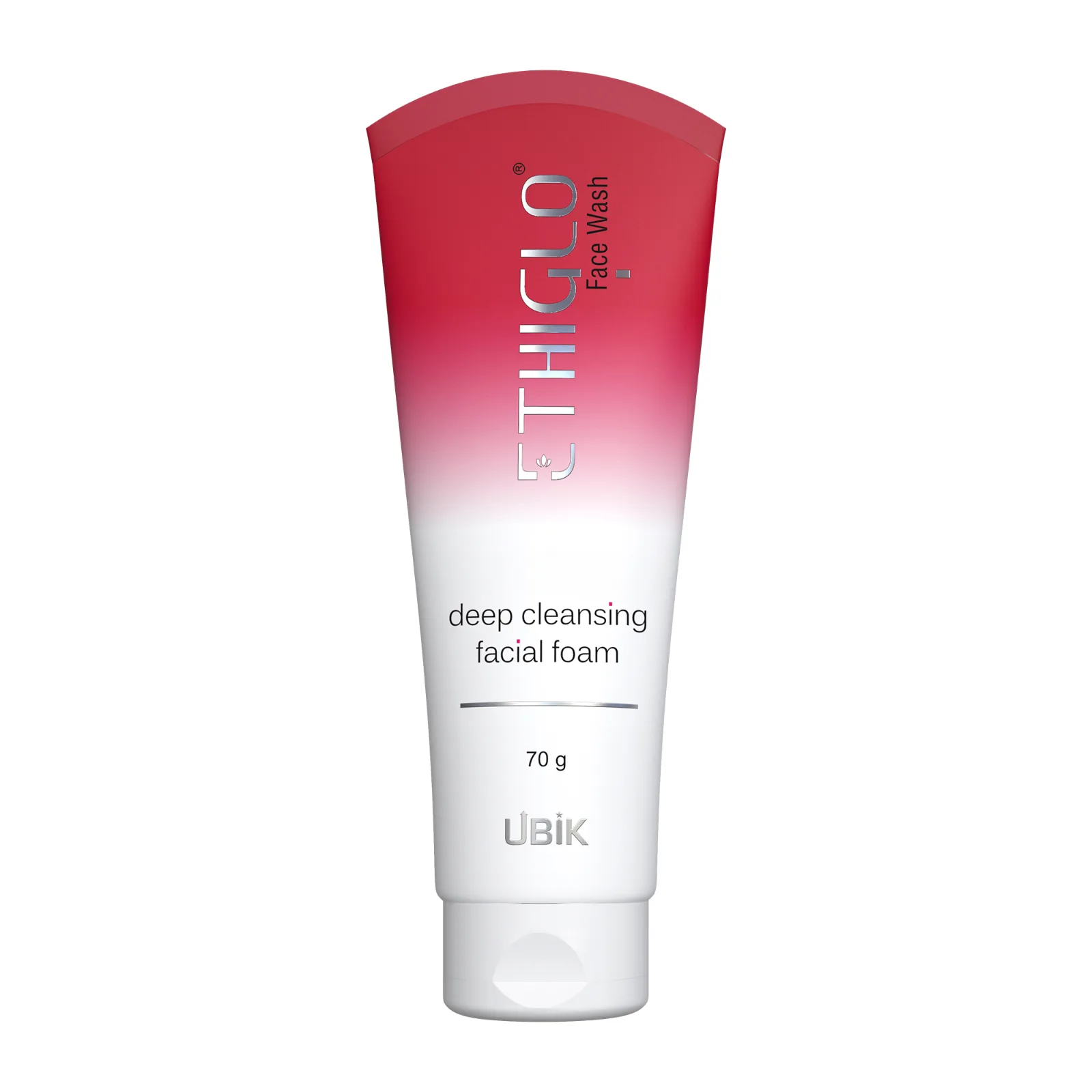
Cleansing removes excess oil, sweat, and impurities that accumulate overnight.
Look for a gentle cleanser formulated for oily skin. Ingredients such as glycolic acid, mild surfactants, and skin-brightening agents can help cleanse effectively without stripping the skin barrier.
For example, products like Ethiglo Face Wash are often chosen by individuals looking for a cleanser that supports oily and acne-prone skin while maintaining skin comfort.
Avoid:
Harsh soaps
Alcohol-heavy cleansers
Over-cleansing
Washing your face twice daily is usually enough.
Step 2: Apply a Treatment Serum
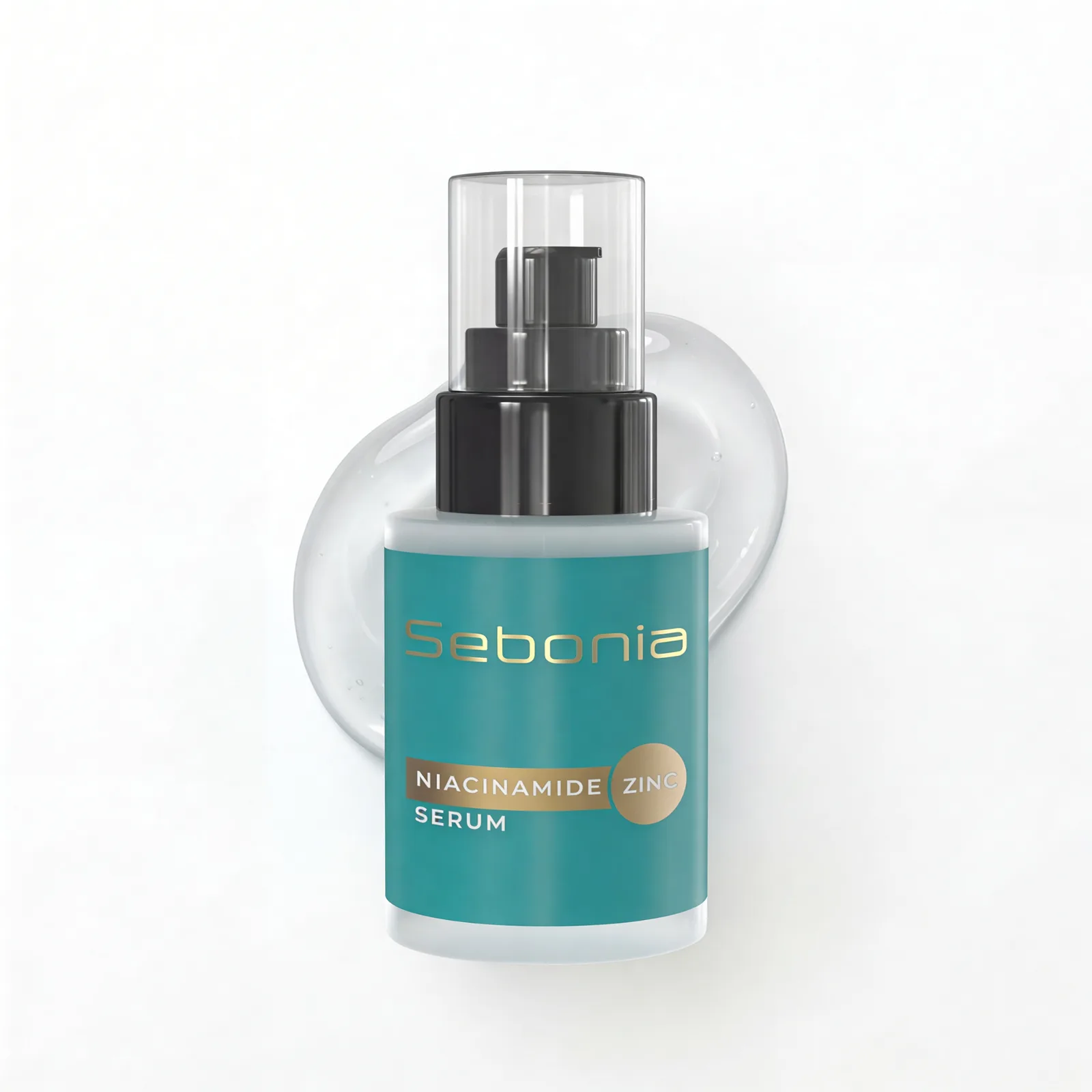
After cleansing, apply a lightweight serum that addresses common concerns associated with oily skin.
Ingredients such as niacinamide have become popular because they help regulate oil production and support the skin barrier.
A niacinamide serum for oily skin may help:
Reduce excess shine
Minimise the appearance of pores
Support skin recovery
Improve overall skin texture
Products such as Sebonia Serum can fit into this step because they contain ingredients commonly recommended for acne-prone and oily skin types.
Allow the serum to absorb fully before moving to the next step.
Step 3: Use a Lightweight Moisturiser (Optional but Recommended)
Many people with oily skin skip moisturiser because they believe it will make their skin oilier.
In reality, dehydration can sometimes trigger increased oil production.
Choose:
Gel-based moisturisers
Oil-free formulations
Non-comedogenic products
A lightweight moisturiser can help maintain balance and support the skin barrier throughout the day.
Step 4: Never Skip Sunscreen
Sunscreen is one of the most important steps in any acne skincare routine.
Sun exposure can worsen post-acne marks, trigger inflammation, and contribute to premature skin ageing.
Look for a sunscreen for acne-prone skin that is:
Non-comedogenic
Lightweight
Broad-spectrum
Suitable for oily skin
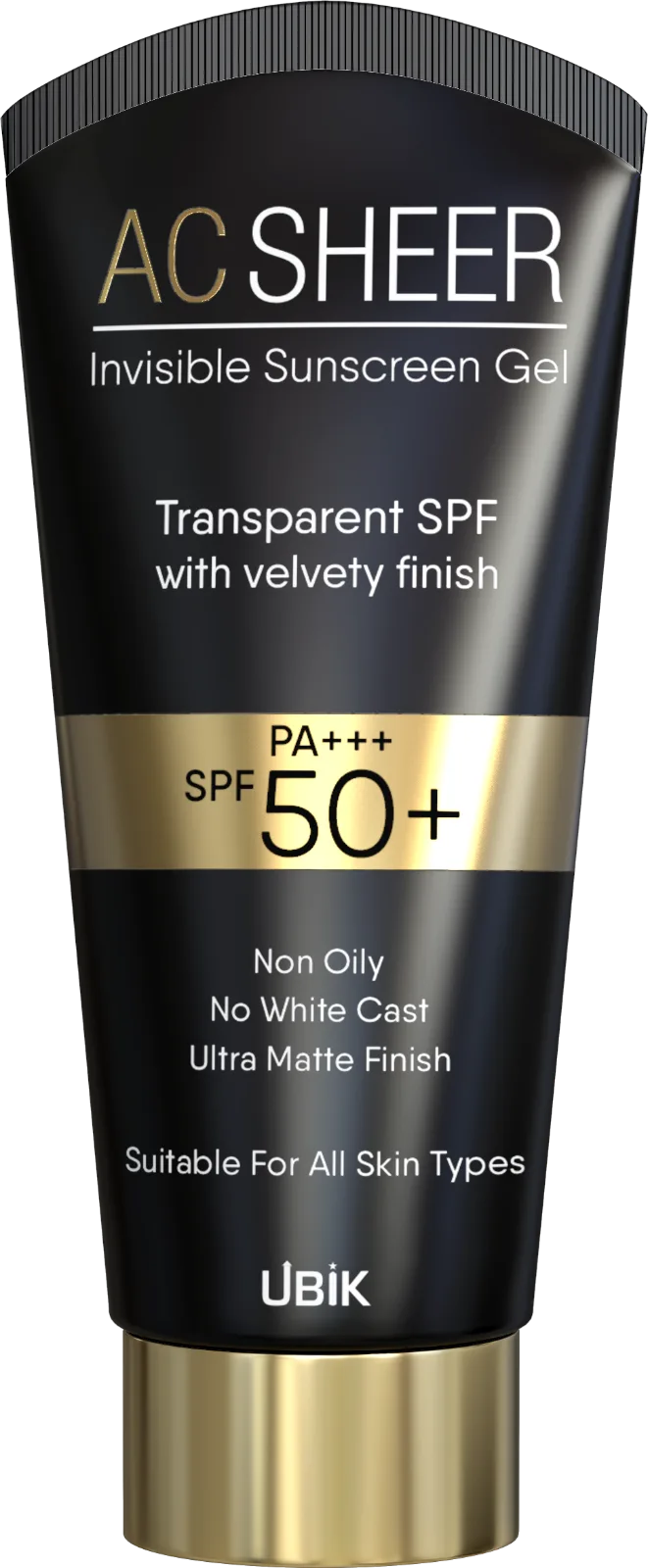
Products such as AC Sheer Sunscreen are often preferred because they offer sun protection without feeling excessively heavy on oily skin.
Apply sunscreen every morning, even when staying indoors for extended periods.
Night Skincare Routine for Pimples and Acne
Your nighttime routine should focus on cleansing and treatment.
Step 1: Cleanse Again
At the end of the day, remove sunscreen, oil, pollution, and impurities from your skin.
Use the same gentle cleanser from your morning routine.
Consistency matters more than using multiple cleansers.
Step 2: Exfoliate Strategically
Exfoliation plays an important role in many acne management routines.
One ingredient frequently recommended by dermatologists is salicylic acid.
Why Salicylic Acid Works
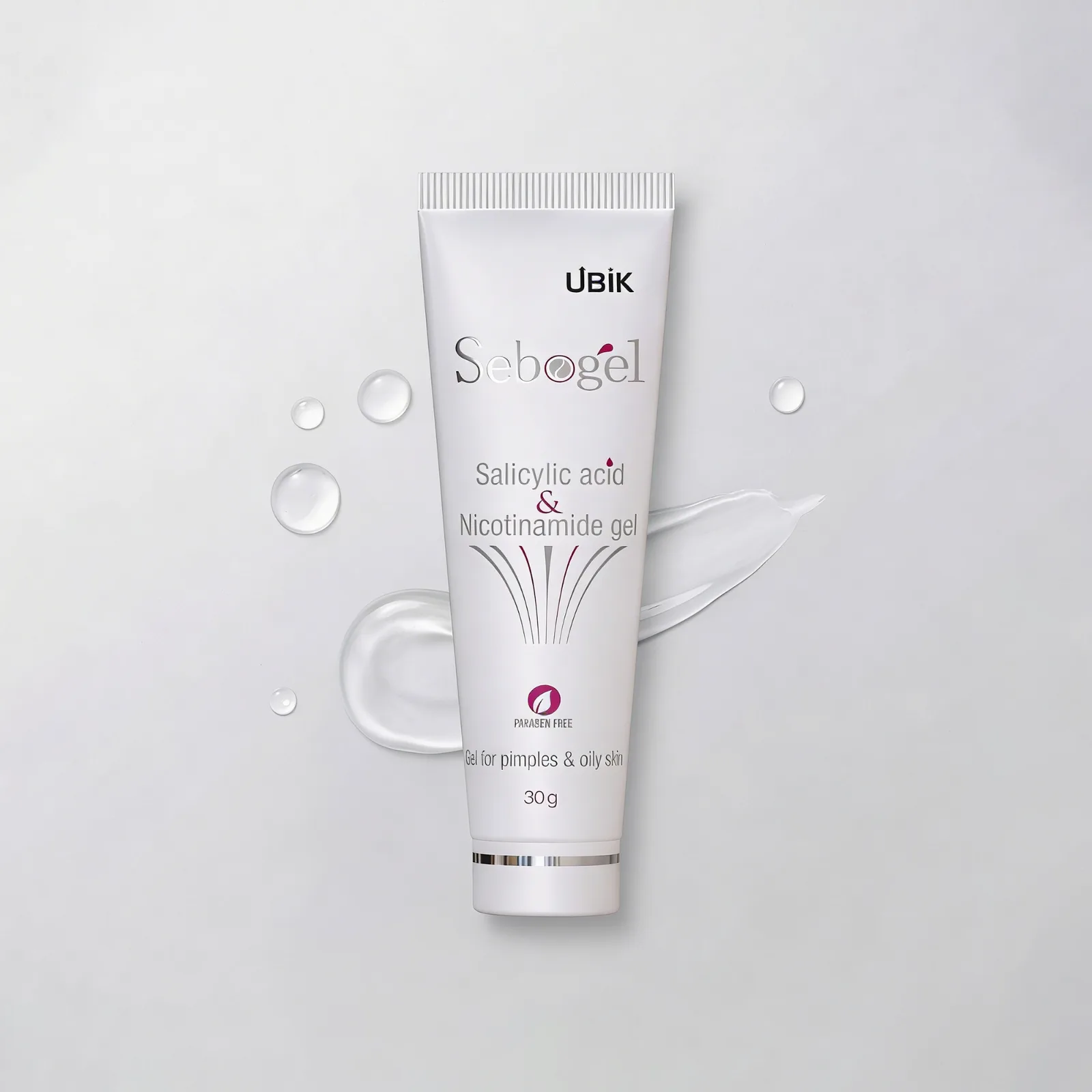
Salicylic acid is oil-soluble, which means it can penetrate deep into pores and help remove excess oil and debris.
Benefits include:
Reduced pore congestion
Fewer blackheads
Improved skin texture
Better control of acne breakouts
This is why salicylic acid for acne remains one of the most researched and widely used ingredients in acne-focused skincare.
Products like Sebogel Gel are commonly used because they contain ingredients that support gentle exfoliation and acne management.
Should I Use Salicylic Acid Every Day?
This is one of the most common skincare questions.
The answer depends on your skin's tolerance.
Beginners should generally start with:
2–3 times per week
Gradually increase frequency if tolerated
Using salicylic acid too frequently may cause irritation, dryness, or sensitivity.
Pay attention to how your skin responds and adjust accordingly.
Step 3: Apply a Treatment Serum
After exfoliation, follow with a treatment serum if your skin tolerates multiple active ingredients.
A niacinamide-based product can complement salicylic acid by helping reduce excess oil while supporting skin barrier function.
Again, Sebonia Serum can fit naturally into this stage of the routine.
Morning vs Night Skincare Routine: What's the Difference?
Many people wonder whether they should use the same products throughout the day.
The answer is no.
Morning Routine Focus
Oil control
Protection
Hydration
Sun defence
Night Routine Focus
Cleansing
Acne treatment
Exfoliation
Skin recovery
Understanding morning vs night skincare routine goals helps you avoid overloading your skin with unnecessary products.
How to Layer Skincare Correctly
Applying products in the wrong order can reduce their effectiveness.
Follow this sequence:
Morning
Cleanser
Serum
Moisturiser
Sunscreen
Night
Cleanser
Exfoliant
Serum
Moisturiser
This approach ensures lighter products absorb properly before heavier products create a protective layer.
If you're wondering how to layer skincare correctly, simply remember:
Apply from thinnest to thickest consistency.
How Many Skincare Products Should I Use?
A common misconception is that more products produce better results.
Most dermatologists recommend starting with four to five products at most.
For oily acne-prone skin, a beginner routine usually requires:
One cleanser
One treatment product
One moisturiser
One sunscreen
Adding too many products increases the risk of irritation and makes it harder to identify what is helping or harming your skin.
Skincare Routine for Teenagers vs Adults
Skincare Routine for Teenagers
Teen acne is often linked to hormonal changes and increased oil production.
A simple routine works best:
Gentle cleanser
Salicylic acid treatment
Lightweight moisturiser
Sunscreen
Avoid aggressive treatments unless recommended by a dermatologist.
Skincare Routine for Adults
Adult acne often appears alongside concerns such as pigmentation, stress-related breakouts, and skin sensitivity.
Adults may benefit from:
Niacinamide
Salicylic acid
Barrier-supporting moisturisers
Daily sunscreen
The basic structure remains similar, but ingredient selection may become more targeted.
Can You Reduce Acne Naturally?
Many people search for how to reduce acne naturally.
While skincare plays a major role, lifestyle habits can also influence breakouts.
Consider:
Getting adequate sleep
Managing stress levels
Eating a balanced diet
Avoiding excessive touching of the face
Cleaning pillowcases regularly
Staying hydrated
Natural methods alone may not eliminate acne, but they can support an effective skincare routine.
Final Thoughts
Building an effective skincare routine for oily acne-prone skin doesn't require dozens of products or complicated steps.
Focus on consistency rather than perfection.
A beginner-friendly acne treatment routine should include:
Gentle cleansing
Strategic exfoliation with ingredients like salicylic acid
Oil-balancing ingredients such as niacinamide
Daily sun protection
Products such as Ethiglo Face Wash, Sebogel Gel, Sebonia Serum, and Ethisun Sunscreen Cream can fit naturally into these routine steps when chosen according to your skin's needs and tolerance.
Remember that skincare results take time. Follow your routine consistently for several weeks, monitor how your skin responds, and make gradual adjustments when necessary. A simple, balanced routine often delivers better long-term results than constantly chasing the latest skincare trend.