8 Common Reasons for Hairfall and How to Build a Hair Fall Treatment Routine
Learn why your hair fall treatment isn't working. Discover common causes, expert tips, and the right routine for healthier, stronger hair growth.
By EMM Editors · 2026-07-13

You've switched shampoos. You've started oiling regularly. You've tried hair serums, home remedies, and perhaps even supplements. Yet every time you wash your hair, the drain tells a different story.
If you've ever wondered, "Why is my hair still falling after treatment?", you're not alone. Hair fall remains one of the most common concerns seen in dermatology clinics across India.
The problem is that many people treat hair fall as a product problem when it is often a biological problem.
Hair growth is influenced by genetics, hormones, nutrition, scalp health, stress levels, medical conditions, and daily habits. Even the best hair fall treatment routine may deliver disappointing results if the underlying cause remains unaddressed.
Before looking for another shampoo or serum, it's important to understand why hair fall happens in the first place and where different products fit into a complete treatment plan.
First, Understand the Hair Growth Cycle
One of the biggest myths about hair health is that healthy hair doesn't fall. In reality, hair shedding is a completely normal biological process. Every hair on your scalp follows a natural growth cycle, and at any given time, thousands of follicles are at different stages of that cycle. Dermatologists don't become concerned when hair falls; they become concerned when the rate of shedding consistently exceeds the rate of regrowth or when new hairs start growing back thinner and weaker than before.
Each hair follicle moves through three distinct phases:
Anagen (Growth Phase): This is the active growth stage, during which hair continuously grows from the follicle. Around 85–90% of scalp hair is typically in this phase at any given time, and it can last anywhere from 2 to 7 years depending on genetics.
Catagen (Transition Phase): A short transitional stage where the follicle stops actively growing and begins preparing for renewal.
Telogen (Resting and Shedding Phase): The hair eventually sheds, allowing a new strand to begin growing from the same follicle.
Losing 50–100 hairs per day is considered normal. However, if you notice excessive shedding, widening part lines, reduced hair density, or progressive thinning, it may indicate that the hair cycle has been disrupted and requires further evaluation..
Reason #1: You're Treating Hair Fall Without Knowing the Cause
Hair fall is a symptom, not a diagnosis.
Different conditions can cause similar-looking hair loss, including:
Androgenetic alopecia (pattern hair loss)
Telogen effluvium
Nutritional deficiencies
Thyroid disorders
Post-illness hair shedding
Stress-related hair fall
Scalp inflammation
A shampoo designed for scalp cleansing cannot correct a nutritional deficiency. Likewise, supplements alone cannot address scalp inflammation.
This is why dermatologists focus on identifying the cause before recommending a hair thinning treatment plan.
Reason #2: Your Scalp Is Not As Healthy As You Think
Many people focus entirely on the hair shaft while ignoring the scalp.
Healthy hair grows from healthy follicles.
A compromised scalp environment may contribute to:
Increased shedding
Excess oil production
Dandruff
Itching
Inflammation
Reduced hair density
A proper scalp care routine should include regular cleansing, management of scalp conditions, and products that support the scalp barrier.
For example, gentle cleansers containing amino acids and conditioning ingredients are often preferred when scalp sensitivity or frequent washing is a concern. Products such as Seren Shampoo are designed around this approach and may fit into a broader scalp-care strategy.
Reason #3: Stress Is Keeping More Hair in the Shedding Phase
One of the most overlooked reasons for hair fall is chronic stress.
Physical or emotional stress can push a larger number of follicles into the telogen phase, leading to noticeable shedding several weeks or even months later.
Common triggers include:
Major illness
Surgery
Emotional distress
Sleep deprivation
Rapid weight loss
Work-related stress
This condition is known as telogen effluvium and is one of the most common causes of temporary hair loss.
Many people don't connect the hair fall they're experiencing today with the stressful event that occurred two or three months earlier.
Reason #4: Your Diet Isn't Supporting Hair Growth
Hair is not essential for survival. When the body lacks nutrients, it prioritizes vital organs before supporting hair growth.
Nutritional deficiencies can contribute to:
Excess shedding
Slow regrowth
Weak hair shafts
Diffuse thinning
Important nutrients include:
Protein
Iron
Zinc
Biotin
Vitamin D
Amino acids
This is why nutrition for hair growth remains a critical part of any long-term treatment strategy.
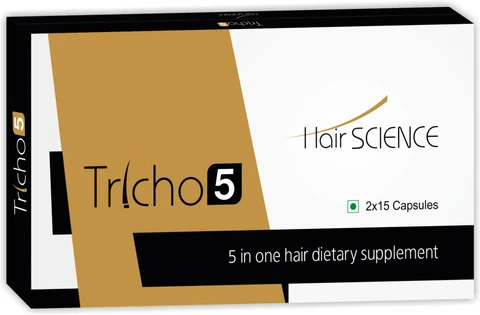
In some cases, dermatologists may recommend targeted hair growth supplements when dietary intake alone is insufficient. Products such as Tricho-5 Tablets are often positioned as supportive nutritional components within a broader hair-growth plan rather than standalone solutions.
Reason #5: You're Expecting a Shampoo to Do Everything
Many consumers believe the right shampoo for hair fall can stop shedding completely.
Unfortunately, that's not how hair biology works.
A shampoo remains on the scalp for only a few minutes before being rinsed away.
Its primary role is to:
Cleanse the scalp
Remove excess oil
Reduce product buildup
Support scalp health
While certain ingredients may help create a healthier scalp environment, shampoos alone rarely address deeper causes of hair fall.
Think of shampoo as one part of a complete hair fall control strategy - not the entire solution.
Reason #6: You're Ignoring the Role of Scalp Treatments
Hair follicles are living structures that respond to signals within their environment.
This is one reason why scalp-applied treatments have become increasingly popular in modern hair-loss management.
Dermatologists often recommend ingredients such as:
Redensyl
Capixyl
AnaGain
Caffeine
Biotin-based complexes
These ingredients are commonly used in topical formulations designed to support hair density and follicle health.
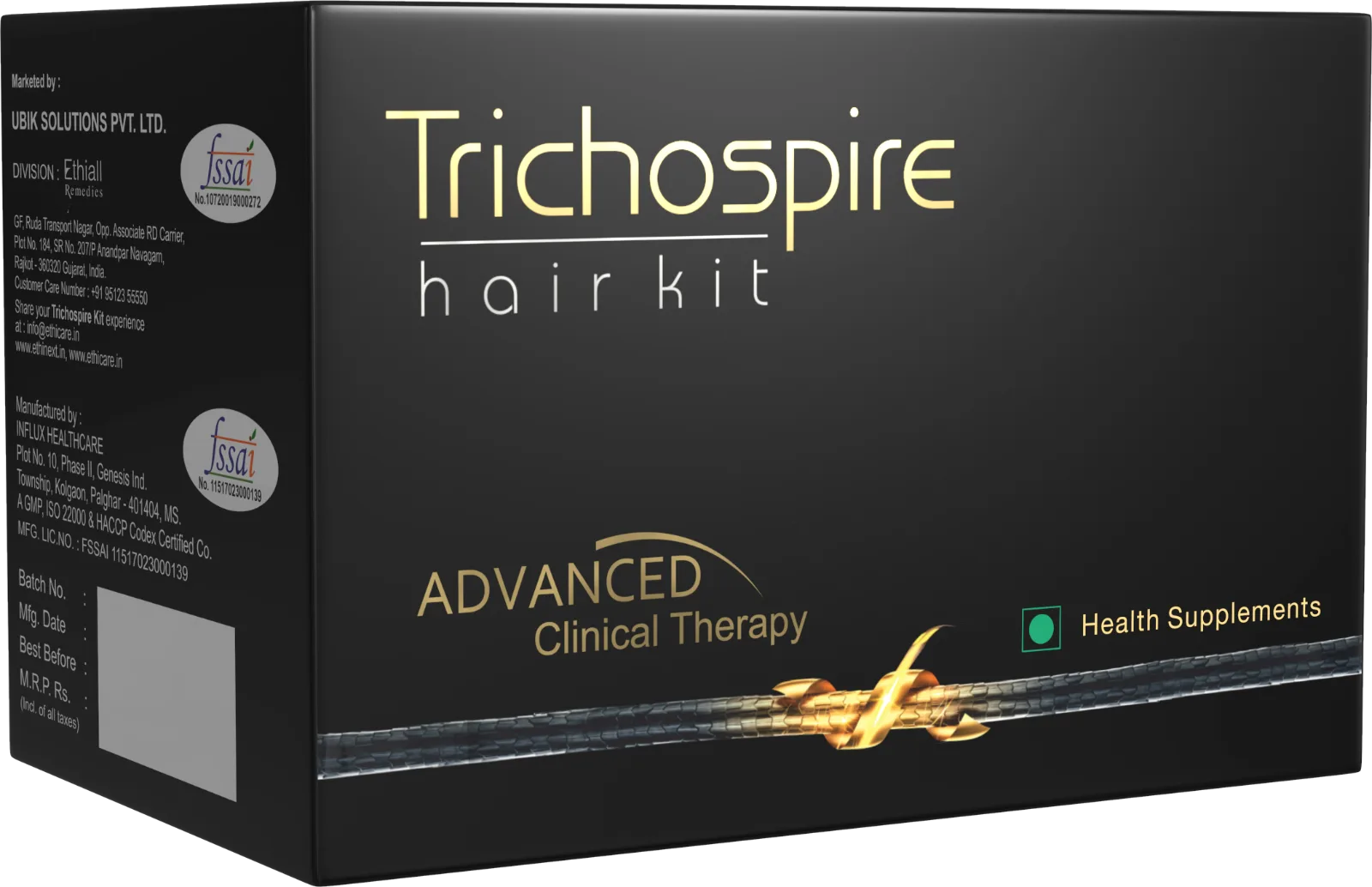
For example, products within the Trichospire Hair Kit, particularly growth-focused serums containing ingredients such as Redensyl, Capixyl, AnaGain, caffeine, and biotin, may be incorporated into comprehensive hair growth routine protocols alongside scalp care, nutrition, and lifestyle modifications.
Reason #7: Hair Oil Alone Cannot Reverse Hair Loss
Hair oiling remains deeply rooted in Indian hair-care traditions.
While oiling offers benefits, many people expect it to perform functions it simply cannot perform.
Hair oils may help:
Reduce friction
Improve hair manageability
Minimize breakage
Support scalp massage routines
However, oil cannot permanently reverse genetic hair loss or correct nutritional deficiencies.
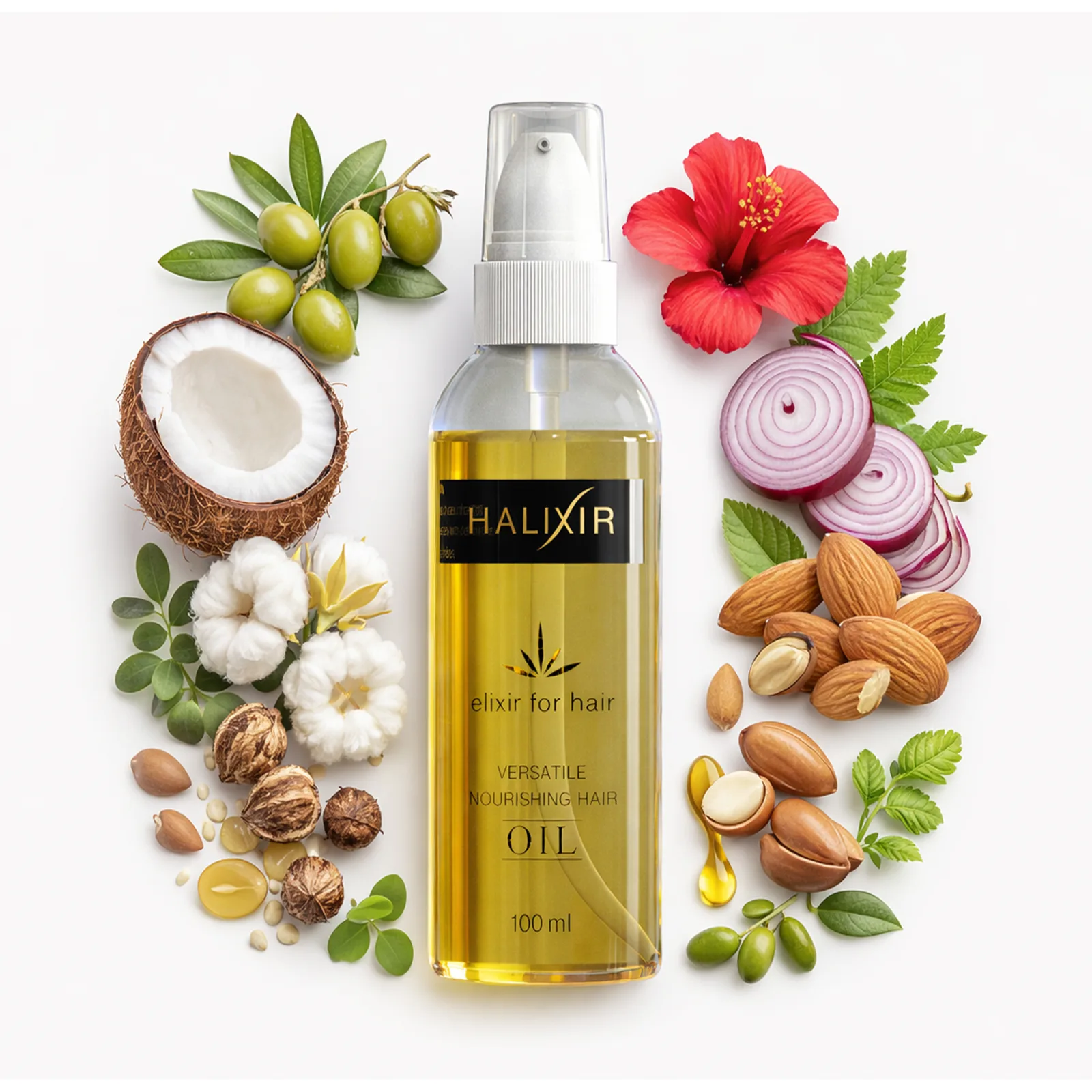
Traditional botanical oils containing ingredients such as coconut oil, castor oil, bhringraj, amla, and brahmi are often used to support scalp and hair conditioning. Products such as Halixir Hair Oil fit naturally into this role as part of an overall hair-care regimen.
The key is understanding where oil belongs within a broader treatment strategy.
Reason #8: You're Not Giving Treatment Enough Time
One of the most common reasons people feel that a hair fall treatment routine isn't working is because they expect visible results too quickly. Unlike skin, which renews itself every few weeks, hair grows slowly and follows a biological cycle that cannot be rushed. Even the most effective hair thinning treatment needs time to influence the hair follicle, improve growth conditions, and produce visible changes. In dermatology, we often remind patients that successful hair regrowth is measured in months, not days. Many people stop treatment just when their follicles are beginning to respond, making it seem as though the treatment failed when it simply wasn't given enough time.
In general, most people can expect:
Reduced hair shedding: Often noticeable within 6–12 weeks
Improved hair density and thickness: Usually requires 3–6 months
Significant visible improvement: May take 6–12 months or longer
These timelines vary depending on the cause of hair loss, genetics, nutritional status, overall health, and treatment consistency. Hair follicles need time to complete their natural growth cycles, which is why consistency often matters far more than switching between products every few weeks.
What Does a Dermatologist Hair Care Routine Actually Look Like?
Many people start their hair-care journey looking for a single shampoo, oil, serum, or supplement that will stop hair fall completely. However, dermatologists rarely approach hair loss that way. Hair growth is influenced by multiple factors, including scalp health, follicle function, nutrition, hormones, genetics, stress levels, and lifestyle habits. Because of this, an effective dermatologist hair care routine usually combines several strategies that work together rather than relying on a single product category.
A typical routine may include:
Scalp Cleansing: Using a shampoo suited to your scalp type to remove excess oil, buildup, and impurities while maintaining a healthy scalp environment.
Scalp-Focused Treatments: Applying targeted products that support follicle health, hair density, and overall scalp function.
Nutritional Support: Addressing deficiencies in nutrients that play an important role in healthy hair growth.
Lifestyle Management: Improving sleep quality, stress management, and dietary habits that can influence the hair growth cycle.
Long-Term Consistency: Following the routine consistently for several months before evaluating results.
This comprehensive approach often delivers better and more sustainable outcomes than depending on any single hair-growth product.
Building a Practical Hair Fall Treatment Routine
If you're looking for a realistic daily routine for hair growth, focus on the fundamentals:
Morning
Follow a balanced diet rich in protein and micronutrients
Take supplements if recommended
Protect hair from excessive heat and damage
Hair Wash Days
Use a gentle scalp cleanser
Avoid aggressive scrubbing
Focus on scalp health rather than excessive washing
Evening
Apply scalp treatments if part of your regimen
Use hair oils strategically rather than excessively
Prioritize sleep and stress management
A successful best routine for thinning hair supports the scalp, follicles, and overall health simultaneously.
Final Thoughts
If you're experiencing persistent hair fall, resist the urge to keep switching products every few weeks. Healthy hair growth depends on a combination of factors, including scalp health, nutrition, stress management, and consistent care. A well-planned hair fall treatment routine should address the root cause rather than focus on symptoms alone. Products such as Seren Shampoo, Trichospire Hair Kit, Halixir Hair Oil, and Tricho-5 Tablets can support different aspects of hair care, but they work best as part of a broader strategy. Stay consistent, be patient, and remember that meaningful hair regrowth takes time. The right routine, followed consistently, often delivers better results than constantly searching for a quick fix.