Dark Lips Treatment: What Causes Lip Pigmentation, and Can Lip-Lightening Products Help?
Discover dark lips treatment options, common causes of lip pigmentation, and how lip balms, sun protection, and targeted care can help support healthier lips.
By EMM Editors · 2026-10-18
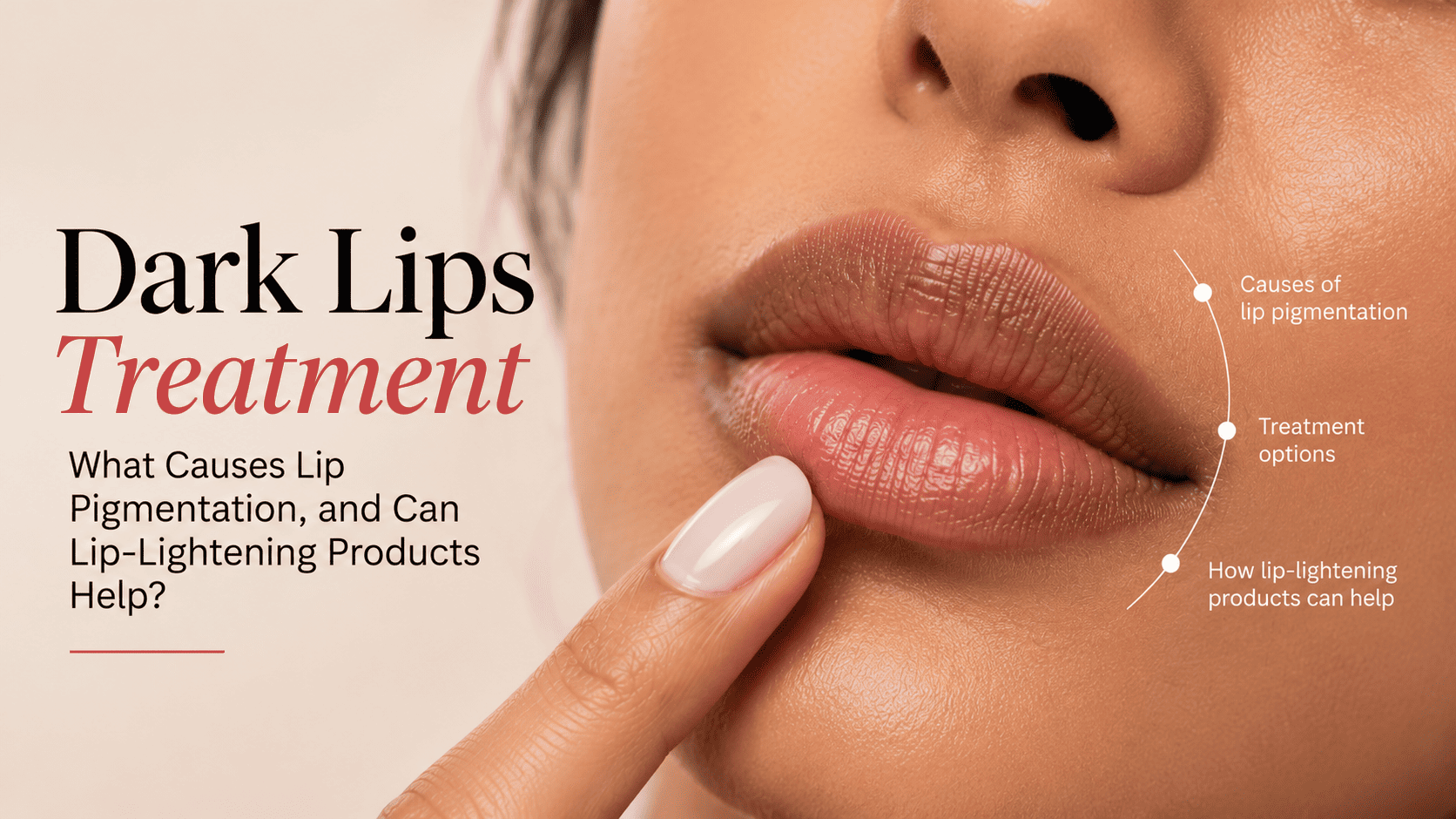
Lip colour isn't a stain you can simply scrub away. Sometimes deeper pigmentation is natural; sometimes sun exposure, irritation or habits like lip licking play a part. That's why effective dark lips treatment begins with finding the cause, not buying the strongest-looking product. A lip balm for dark lips may help with dryness and protection, while lip pigmentation treatment might require a different approach entirely. Before choosing a brightening product, it helps to understand what your lips actually need.
Dark Lips Treatment: What Actually Works?
Effective dark lips treatment starts with understanding why the colour changed. If sun exposure, repeated lip licking, smoking, or irritation has triggered pigmentation, addressing that cause may allow gradual improvement. A protective lip balm for dark lips can help reduce dryness and support the lip barrier, especially when it contains SPF for daytime use. However, balm alone cannot reliably reverse established pigmentation.
For persistent patches, lip pigmentation treatment depends on the diagnosis; a dermatologist may recommend targeted care rather than cosmetic brighteners. Naturally darker lips, meanwhile, are normal and do not need correcting. The goal of any lip brightening treatment should be healthier lips, not an unrealistic promise of pinkness.
Why Have Your Lips Become Darker?
Your lips don't have a single “normal” shade. The useful question is whether their colour has changed, and what happened before it did. That distinction can save you from buying a dark lips treatment that cannot address the cause.
Colour you've always had: Naturally brown, mauve, or unevenly pigmented lips are common. If the shade has been stable for years, it may simply be your natural colouring, not a problem requiring treatment.
Sun exposure: Lips receive UV exposure too. Repeated exposure can contribute to darkening, making a broad-spectrum SPF lip balm for dark lips a sensible daily habit. However, it won't necessarily erase established pigmentation.
Tobacco use: Smoking can contribute to lip discolouration. Addressing the habit matters more than relying on a lip brightening treatment.
Cosmetics and irritation: Fragranced lip products, allergic reactions, habitual licking, and picking can inflame delicate lip skin. Darkening may remain after the irritation settles, known as post-inflammatory hyperpigmentation
A new or isolated dark spot: One changing patch is different from general darkening. Medicines and some medical conditions can also affect pigmentation. Seek a dermatologist's assessment, particularly if a spot grows, bleeds, or changes shape.
The right lip pigmentation treatment begins with the right explanation.
Could Your Lip Balm or Lipstick Be Making Your Lips Darker?
Your favourite lipstick could be doing more than adding colour. Fragrances, flavourings, dyes and preservatives in lip products can sometimes trigger irritation or allergic reactions. Once the dryness, burning or peeling settles, darker patches may remain.
If pigmentation appeared after introducing a new product, stop using it and switch to a plain, fragrance-free moisturising balm. Avoid scrubbing or exfoliating, as repeated irritation can worsen discolouration.
Even a lip balm for dark lips may be unsuitable if its ingredients trigger sensitivity. If reactions keep returning, a dermatologist can recommend patch testing to identify allergens and guide appropriate dark lips treatment.
Can Lip-Lightening Creams Actually Reduce Pigmentation?
Lip-lightening creams may improve some acquired darkening, but ingredients aren't magic erasers. Kojic Acid and Arbutin are used to address excess pigment, while Niacinamide may help uneven-looking tone and support the skin barrier. Research specifically on lip pigmentation is limited, however, and lip skin can react to formulas designed for the face.
That doesn't mean a lip brightening treatment has no place. It means the right dark lips treatment depends on why pigmentation appeared and whether the product is formulated for lips. Persistent irritation, natural lip colour, or a changing dark spot won't necessarily respond to brightening ingredients. Seek dermatological advice when needed.
Lip-Lightening Cream vs Lip Balm: Which Do You Actually Need?
Not every lip concern needs a brightening cream. Sometimes your lips need moisture, not pigment correction. Knowing the difference can save you from treating the wrong problem.
When Moisture and Protection Come First
If your lips feel dry, flaky, or uncomfortable, restoring moisture should be the priority. Lipz Lip Moisturiser contains kokum butter, olive oil, avocado oil and squalene to help soften dry lips. Its SPF 15 also provides some UV protection, although SPF 30 or higher is preferable for prolonged outdoor exposure.
It's a practical lip balm for dark lips when dryness is part of your concern, but it isn't specifically formulated to reduce pigmentation.
When Pigmentation Needs Targeted Care
Lipzlite Lip Lightening Cream serves a different purpose. Its formulation combines Kojic Acid Dipalmitate, Beta Arbutin, Niacinamide, Liquorice Extract, and Glycolic Acid, ingredients commonly used in products targeting uneven pigmentation.
Unlike a regular moisturiser, Lipzlite is designed for pigment-focused care. Our kojic acid cream comparison also explains how Lipzlite differs from products intended for other pigmentation concerns.
Which Should You Choose?
Match your dark lips treatment to what your lips actually need:
Dryness and chapping: Prioritise Lipz Lip Moisturiser and appropriate sun protection.
Acquired, persistent pigmentation: Lipzlite may be worth discussing with a dermatologist once the cause is identified.
Naturally darker lips: Neither product is necessary for changing your natural colour.
A sensible lip brightening treatment isn't about promising pink lips. It's about addressing the underlying concern without creating another one.
What Should You Stop Doing If Your Lips Are Getting Darker?
Your lips cannot recover from irritation if you're giving them a fresh reason to react every day. Before investing in another dark lips treatment, check whether your routine is contributing to the discolouration.
Here are five habits worth reconsidering:
Using harsh home remedies: Lemon juice, baking soda, and toothpaste aren't shortcuts to pink lips. Their irritating effects can cause inflammation, potentially making pigmentation more noticeable.
Scrubbing away dark patches: Pigmentation isn't surface dirt. Aggressive exfoliation can damage the delicate lip barrier and trigger further discolouration. Gentle care is more useful than repeated scrubbing.
Peeling or biting dry skin: Pulling loose skin may provide temporary satisfaction, but repeated injury can leave lips inflamed. Let damaged skin heal instead.
Ignoring reactions to cosmetics: If a lipstick, gloss or balm causes burning, itching or peeling, stop using it. Continuing the product while adding a lip brightening treatment may worsen irritation.
Skipping daily lip protection: Repeated sun exposure can contribute to pigmentation. Choose a moisturising, broad-spectrum SPF 30 or higher lip balm for daytime protection.
What makes the biggest difference?
Removing the trigger gives your lips a chance to recover. If darkening persists despite these changes, a dermatologist can help determine whether targeted lip pigmentation treatment is appropriate.
When Is Lip Pigmentation Not a Cosmetic Problem?
Not every colour change belongs in your skincare routine. Sometimes, what looks like ordinary pigmentation needs medical attention rather than another dark lips treatment.
A new or changing dark spot: An isolated patch that grows, changes shape or develops irregular borders should be examined by a dermatologist.
Bleeding or persistent sores: Cracks, ulcers, or bleeding that don't heal shouldn't be treated with cosmetic brightening products.
Unexplained symptoms: Sudden discolouration accompanied by pain, swelling, or other unusual changes warrants professional evaluation.
Before trying lip hyperpigmentation treatment, have suspicious changes assessed. Identifying the cause matters more than lightening the colour.
FAQs
Frequently Asked Questions
1. How to quickly get rid of dark lips?
There is no guaranteed overnight dark lips treatment, but the right care can help address contributing factors. Start by avoiding irritating products, keeping your lips moisturised, and protecting them from sun exposure. For acquired pigmentation, products such as Lipzlite Lip Lightening Cream contain pigment-targeting ingredients that may be worth considering after identifying the cause. Consistency matters more than expecting immediate colour changes.
2. Can dark lips turn pink again?
Lips darkened by irritation, sun exposure, or inflammation may gradually return closer to their original colour once the cause is addressed. However, naturally darker lips may not change significantly. A lip brightening treatment like Lipzlite Lip Lightening Cream contains ingredients commonly used to address uneven pigmentation, including Beta Arbutin and Kojic Acid Dipalmitate. Its effectiveness specifically on lip pigmentation is not guaranteed.
3. What causes darkening of lips?
Lip darkening can result from prolonged sun exposure, smoking, repeated lip licking, cosmetic irritation or allergic reactions. Genetics also influence natural lip colour. Before choosing a lip pigmentation treatment, consider whether the discolouration appeared recently or has always been present. Identifying the cause helps you choose appropriate care instead of experimenting with unnecessary products.
4. Can a dermatologist fix dark lips?
A dermatologist can assess what is causing lip discolouration and recommend suitable treatment. Depending on the diagnosis, lip hyperpigmentation treatment may involve addressing irritation, changing certain products or considering targeted pigmentation care. Professional guidance is especially important when darkening is persistent, appears suddenly or involves a changing spot. Treatment outcomes depend on the underlying cause.
5. What is the best treatment for dark lips?
The best dark lips treatment depends on whether your concern is dryness, irritation or acquired pigmentation.
If your lips frequently feel dry or chapped, Lipz Lip Moisturiser contains kokum butter, olive oil and squalene to support moisturisation. It is a practical lip balm for dark lips when dryness is the concern.
For pigmentation-focused care, Lipzlite Lip Lightening Cream combines Kojic Acid Dipalmitate, Beta Arbutin and Niacinamide, ingredients commonly used in products targeting uneven skin tone.
Both serve different purposes. Choose according to your lip concern, and consult a dermatologist before treating persistent or unexplained pigmentation.
6. Which vitamin deficiency causes dark lips?
Vitamin B12 deficiency can sometimes be associated with increased pigmentation in the mouth or on the lips, although it is not a common cause of dark lips. Genetics, sun exposure and irritation are other possible explanations. If pigmentation develops alongside fatigue, weakness or other unexplained symptoms, seek medical advice. Cosmetic lip-care products cannot correct an underlying nutritional deficiency.
7. Can vitamin C remove dark lips?
Vitamin C is commonly included in skincare formulations targeting uneven pigmentation, but evidence supporting its effectiveness specifically for dark lips is limited. Applying concentrated facial serums or acidic homemade mixtures may irritate delicate lip skin. Instead of experimenting with harsh ingredients, consider properly formulated lip-care products suited to your concern. Persistent pigmentation should be evaluated before beginning a targeted lip brightening treatment.